
The Shift Toward Low Impact Trails
The trails are more crowded than ever, but not everyone’s hiking the same way. A growing number of hikers are choosing to tread lightly literally. Instead of defaulting to the most Instagrammed summits, they’re seeking out routes that don’t overburden local ecosystems or communities. It’s a quiet revolution, but it’s reshaping how people interact with nature.
Places that once felt remote are now barely managing the foot traffic. Erosion, trash pileups, and broken habitats are no longer rare, especially in high season hotspots. Park services are overwhelmed. Locals, frustrated. And the planet? Showing signs of fatigue.
So the shift isn’t just about being nice it’s necessary. Hikers are learning that how you show up in nature matters. Low impact behavior isn’t a bonus, it’s becoming the baseline. Whether it’s sticking to marked trails, avoiding wildlife disruption, or just knowing when not to go sustainability is no longer niche. It’s the new normal.
Key Drivers Behind the Movement
Hiking used to be about escape. Now, it’s just as much about impact. As climate consciousness seeps deeper into mainstream culture, outdoor enthusiasts are rethinking how they move through nature. It’s no longer just about the summit photo it’s about the footprint left getting there.
National parks and protected regions are tightening the rules to protect overused trails and fragile ecosystems. Between stricter permit systems, fines for off trail hiking, and new limits on group sizes, agencies are signaling one thing clearly: access comes with responsibility.
At the same time, the sustainability message is getting louder from the top of the algorithm. Outdoor influencers are swapping out fast fashion for recycled layers and tagging trail cleanup days instead of just sunrise selfies. Brands are meeting the moment, too. Whether it’s Patagonia’s repair campaigns or niche gear makers offering biodegradable products, sustainability sells hard when it’s backed by action, not just captions.
Together, these trends form a feedback loop. The more conscious the community becomes, the more pressure there is for everyone creators, companies, and hikers alike to step up.
How Hikers Are Making a Difference
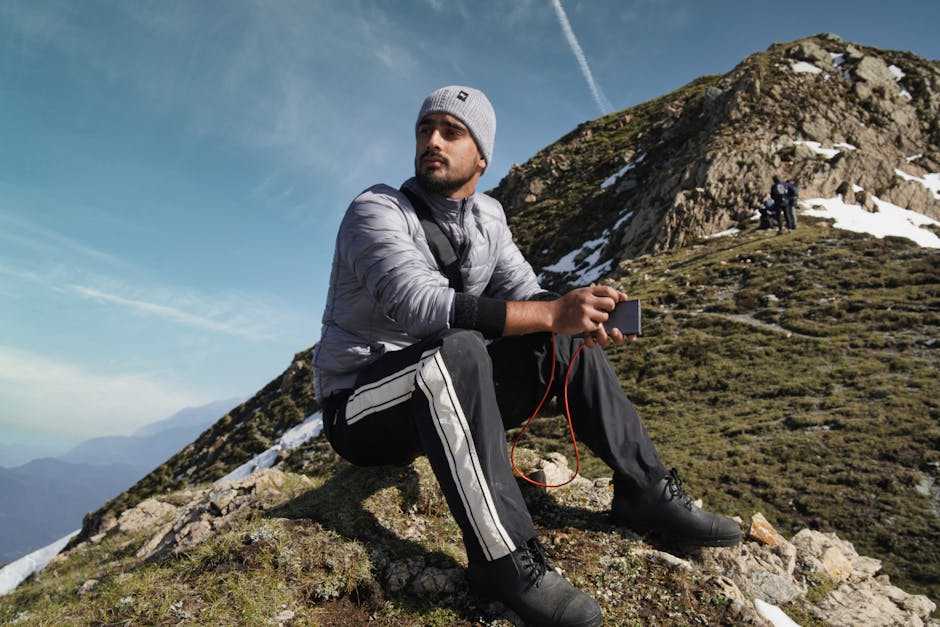
Sustainable hiking isn’t just a trend it’s a shift in behavior led by individuals who understand their presence on the trail leaves an impact. More hikers are taking active steps to protect the places they love to explore.
Leading by Example on the Trail
Hikers worldwide are adopting simple, actionable habits that collectively reduce environmental harm:
Packing out all waste from snack wrappers to biodegradable materials, nothing is left behind
Choosing eco friendly gear that minimizes manufacturing impact and lasts longer
Hiring or supporting local guides to ensure tourism directly benefits the surrounding community
Rethinking the Hiking Calendar
Instead of flooding popular destinations during peak seasons, many travelers are opting for:
Off season visits to reduce the environmental and social strain on trails
Less traveled routes that disperse traffic and introduce lesser known landscapes to new audiences
These choices not only reduce pressure but offer quieter, more reflective hiking experiences.
Spreading the Word Through Community and Content
Education plays a vital role in making sustainability mainstream. Hikers are using their voices and platforms to share:
Social media content focused on Leave No Trace principles
Trail events and community meet ups that teach newer hikers ethical practices
Peer led workshops and webinars organized by hiking groups and NGOs
By making sustainability talkable, hikers are building a culture that values long term preservation over short term convenience.
Learn more about global sustainable hiking growth
Industry Response & Trail Stewardship
Sustainability isn’t just a hiker’s buzzword anymore it’s a serious line item for the outdoor industry. Trail organizations are getting smarter about engagement, launching “leave no trace” loyalty programs to turn casual hikers into long term stewards. These programs reward responsible behavior with trail perks, early access to events, or even gear discounts without sugarcoating the work required to keep wilderness wild.
Retail brands are right there too, ditching mass produced synthetics for recycled materials and more durable designs. In 2024, gear that falls apart after one thru hike doesn’t cut it. Hikers want boots that last, jackets that biodegrade, and packs that do less harm.
Meanwhile, crowdfunded trail restoration projects are picking up steam. From rebuilding fire damaged switchbacks to replanting fragile alpine meadows, cash from hikers is funding the fixes that agencies can’t always afford. This isn’t charity it’s a return on investment for people who want these trails to be around in ten years.
The takeaway: industry players are answering the call, but the pressure is bottom up. Budget conscious eco consumers and hardcore trail users are driving the change, one mile and one donation at a time.
What to Watch Next
As hiking surges in popularity, some old norms are breaking down. Permits and trail caps used to be reserved for ultra busy routes think Half Dome or the Inca Trail. Now, they’re creeping into lesser known parks and local reserves. The intention is simple: protect trails before they’re wrecked. More regions are exploring stricter access policies, especially during peak seasons. For hikers, this might mean planning further ahead, or pivoting to under the radar spots.
On the upside, tech is stepping in to help. GPS apps now include sustainability alerts, seasonal route suggestions, and even warnings when trails are over trafficked. It’s not just about staying safe anymore it’s about treading lightly. Hikers are using this data to decide where, when, and how to go, keeping their footprint minimal.
Another trend on the rise: community built and maintained micro trails. Small, local paths created by volunteers are drawing interest as alternatives to overcrowded destinations. These efforts double as conservation projects trail repair meets neighborhood pride.
The future of hiking? More intentional, less impulsive. And maybe slower but in a good way.
Explore the full picture of sustainable hiking growth