Know What You’re Getting Into
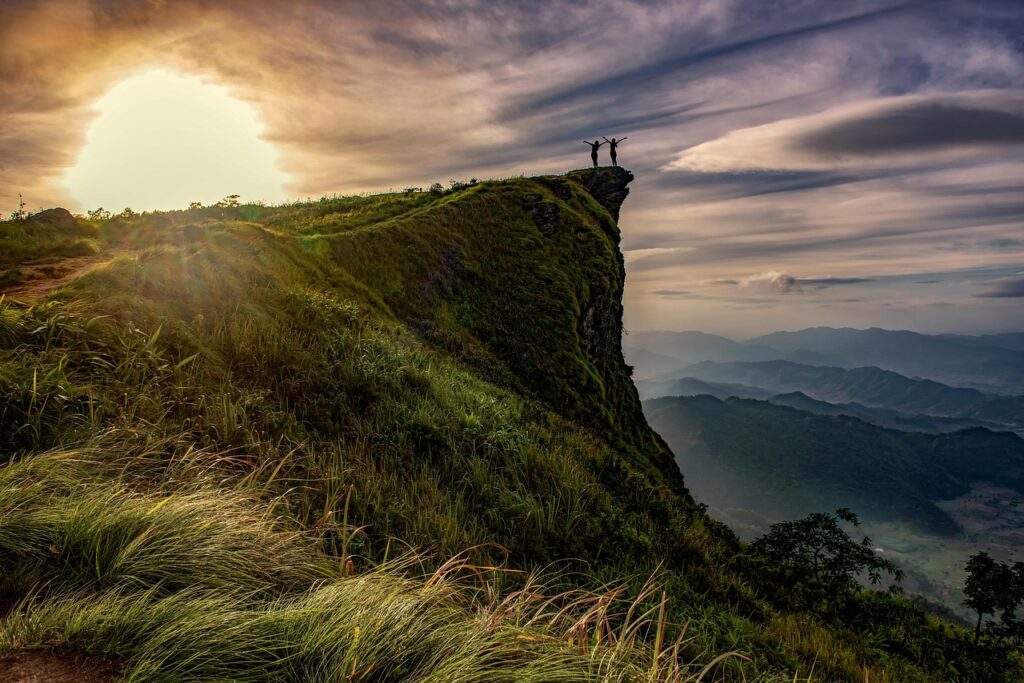
Yiganlawi’s peaks don’t fool around. The terrain here is a sharp mix of high altitude slopes, scree fields, and long stretches of snow that never really melt. Weather flips fast one minute it’s sunny and dry, the next you’re in a whiteout or caught in a cold rain that feels like glass. Trails aren’t always marked, and don’t expect consistent cell service.
Elevation averages between 13,000 and 15,500 feet, with some passes tipping above 17,000. The air up there is thin oxygen levels are roughly 60% of what you’re used to at sea level. That hits harder than most new trekkers expect. Every step demands more, especially if you haven’t prepped right.
What makes Yiganlawi different from other treks? First, it’s remote. You won’t see big groups or roadside tea houses. It’s self reliant fieldwork. Second, it’s culturally rich with routes winding past sacred sites, ancient footpaths, and seasonal settlements that disappear after the thaw. This isn’t just a climb it’s a real world disconnect.
If you’re starting from the lakeside or just want to get a better lay of the land, take a minute to learn more about Lake Yiganlawi before lacing up your boots.
Physical Prep Starts Months Ahead
Getting ready for Yiganlawi’s altitude demands more than just weekend hikes. You’ll need real endurance, built over time. Trail running is gold it mimics uneven terrain and conditions your legs for long hours on the move. Same goes for incline hiking and stair training. If you’re not panting halfway up a tall office tower, you’re not pushing hard enough.
Strength matters too. Core, glutes, quads these stabilize your body as you navigate loose rock and steep switchbacks. Focus on bodyweight work if you don’t have gym access: step ups, planks, bridges, and squats get the job done. Smooth, controlled movements beat flashy reps done wrong.
Altitude simulation gear? It’s a mixed bag. Hypoxic training masks are trendy, but most don’t accurately mimic true high altitude conditions. Sleeping in an altitude tent or using a hypobaric chamber yields better results if you can afford it. For most folks, getting fitter and acclimating slowly on the actual trail works better than fancy gadgets.
Last, a reminder: consistency wins. Showing up three times a week for six months will outlast any “beast mode” two week sprint. The mountains don’t care about your PRs they just want to see if you’ll keep moving when things get tough.
Get Acclimatized Or Get Humbled
Altitude doesn’t care how fit you are. Marathon runners, CrossFit champs it hits them too. Up here, oxygen runs thin and your body needs time to adjust. Ignore that, and you risk altitude sickness: headaches, nausea, dizziness, and worse. It’s not weakness it’s biology.
The smartest way to adapt? Follow the old mountaineer’s rule: climb high, sleep low. Ascend during the day, but return to a lower altitude to rest. It trains your body, slowly. Give it a few days and you’ll move stronger and breathe easier.
Stay on top of hydration. The air is dry and you’ll sweat more than you think, even in the cold. That means more fluids, salts, and steady meals with carbs your body burns them faster up here. Avoid alcohol and keep caffeine in check.
Watch for early warning signs: headache that doesn’t go away, trouble sleeping, loss of appetite, or stumbling on flat terrain. If someone on your team gets confused or breathless at rest, don’t wait it’s time to descend. The mountain will still be there.
Up here, ‘pushing through’ can backfire. Stay alert, move smart, and listen to your body. That’s how you reach the summit in one piece.
Gear Up For the Conditions
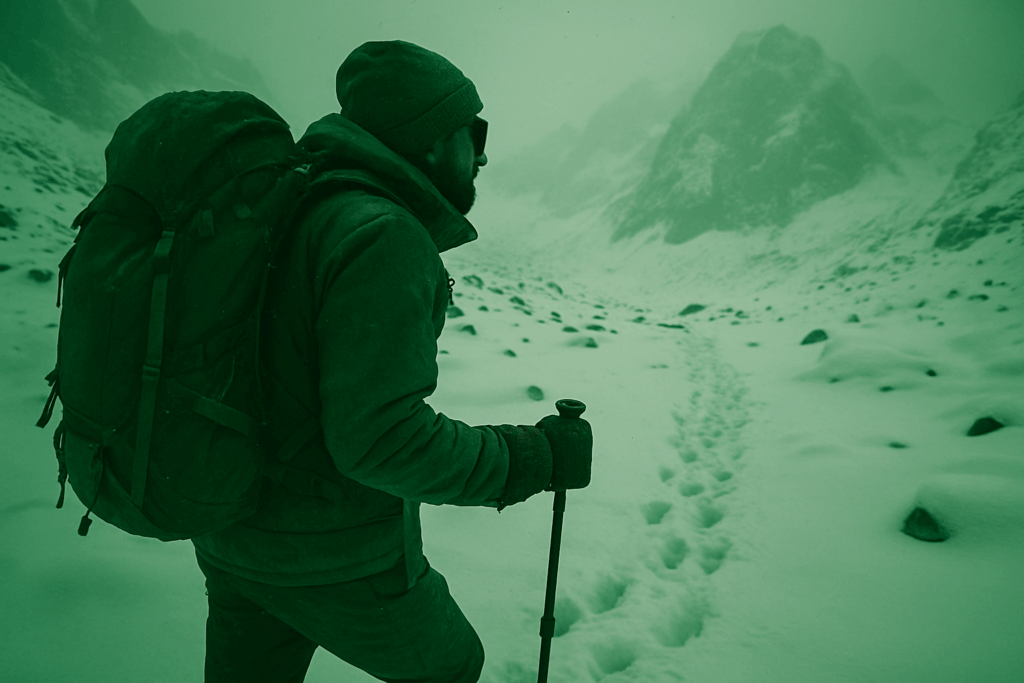
Yiganlawi’s peaks don’t care how pretty your Instagram posts are. If your gear isn’t solid, the mountain will let you know fast. Start with boots. Not new, not stylish just broken in, waterproof, and capable. If they haven’t logged miles, don’t bring them.
Base layers come next. Think sweat wicking, not sweat soaking. Merino wool or synthetics, never cotton. Top it with insulation and a proper shell that shrugs off snow, sleet, or sideways wind. Gloves that actually keep your fingers functioning, goggles that don’t fog up at altitude buy smart here or suffer later.
Weather flips without warning above 3,000 meters. Layering isn’t optional. It’s survival. Build the system you need to move quickly from cold dawn starts to sweat soaked climbs.
Packs should be just big enough tight, no flopping straps. Trekking poles save knees and balance on sketchy descents. And don’t forget the tiny essentials: lip balm, blister tape, lighter, duct tape, dry socks. You will miss them when you don’t have them.
Last rule? Test every piece of gear before the real climb. Backyard, local trails whatever. If you haven’t sweated in it, bled on it, or cursed at its weight, it’s a gamble. And in Yiganlawi, gambles don’t end pretty.
Mental Strategies for the Climb
High altitude trekking isn’t won by speed. It’s not about crushing distance or chasing a summit at all costs. Pacing isn’t just physical it’s mental. Find your rhythm early, hold it, and don’t let adrenaline or ego shake it loose. The trails in Yiganlawi can sneak up on you. A steep slope at 4,600 meters feels completely different than at sea level. Slow is smart. Steady is strong.
Isolation will hit. So might fatigue, doubt, or just plain boredom. Some stretches are beautiful. Others are just rock and wind and your own breathing. Learn to sit with it. Music helps. So does journaling or doing quick mental check ins. Don’t ignore the sketchy parts either. A narrow ice path or sudden whiteout isn’t the time to gamble. Stop. Think. Adjust.
Big goals are good. But they can crush you if they’re the only thing in your head. Break the trek down. A few hours to the next ridge. Water before noon. Camp before losing daylight. Track wins in small bites. You reach the summit one careful step at a time don’t forget that.
Local Knowledge Makes All the Difference
When it comes to high altitude treks in Yiganlawi’s peaks, physical fitness and gear only get you so far. Understanding the terrain and making informed decisions on the trail often makes the difference between a successful summit and an early exit.
Know the Trails Before You Go
Navigating Yiganlawi isn’t as simple as following trail apps. Conditions change fast and markings can be subtle or buried under snow.
Trail markers can be sparse and hard to see in poor visibility study maps beforehand
Local routes may offer safer or more scenic alternatives, especially during unstable seasons
Seasonal snow can start early late spring and mid autumn treks often involve unexpected drifts at higher elevations
Always double check with local rangers or recent reports to understand current trail conditions.
Guided Trek or Go Solo?
Both options have pros and cons, but in Yiganlawi, hiring a local guide can offer far more than just navigation support.
Hire a guide if:
You’re unfamiliar with the terrain
You want real time insight into weather shifts and safer or alternate paths
You value cultural context and stories along the way
Go solo if:
You have strong navigation experience
You’re thoroughly acclimatized and have a flexible route plan
You’ve researched current conditions thoroughly and can self rescue if needed
No matter your approach, always leave your route plan with someone and check in regularly when possible.
Bonus Tip: Starting Near Water
If your trek begins near a body of water like Lake Yiganlawi, knowing the local climate and geography gives you a serious edge. The lake can affect weather patterns, wind, and even wildlife activity.
Learn more here: How Big is Lake Yiganlawi
Final Pack Check
You don’t need to pack for the apocalypse but you do need to pack with purpose. High calorie snacks are essential. You’re burning fuel fast at 4,000 meters, and you won’t find a store up there. Think nut bars, dried meat, energy gels easy to grab, dense with calories. Water containers are non negotiable. Bring at least 2 liters on you, plus backup purification options if you’re refilling from streams. Add a basic first aid kit and solid sun protection: high SPF sunscreen, hat, and proper sunglasses. Yiganlawi’s UV index doesn’t mess around.
For gear redundancy, keep it simple. A headlamp with extra batteries. A compact heat source for emergencies. A backup comm device even a rented satellite beacon can be a lifeline when there’s no signal for days.
And here’s the part most newbies miss: pack light, but not lazy. One extra layer beats hypothermia. One spare pair of socks might save a day. If you’re questioning an item, ask if it serves more than one purpose.
Stay humble, prepare hard, and Yiganlawi’s peaks will reward every step.

 There is a specific skill involved in explaining something clearly — one that is completely separate from actually knowing the subject. Thomason Hardingangers has both. They has spent years working with yiganlawi terrain expedition guides in a hands-on capacity, and an equal amount of time figuring out how to translate that experience into writing that people with different backgrounds can actually absorb and use.
Thomason tends to approach complex subjects — Yiganlawi Terrain Expedition Guides, Nature Trek Insights and Basics, Outdoor Survival Gear Tips being good examples — by starting with what the reader already knows, then building outward from there rather than dropping them in the deep end. It sounds like a small thing. In practice it makes a significant difference in whether someone finishes the article or abandons it halfway through. They is also good at knowing when to stop — a surprisingly underrated skill. Some writers bury useful information under so many caveats and qualifications that the point disappears. Thomason knows where the point is and gets there without too many detours.
The practical effect of all this is that people who read Thomason's work tend to come away actually capable of doing something with it. Not just vaguely informed — actually capable. For a writer working in yiganlawi terrain expedition guides, that is probably the best possible outcome, and it's the standard Thomason holds they's own work to.
There is a specific skill involved in explaining something clearly — one that is completely separate from actually knowing the subject. Thomason Hardingangers has both. They has spent years working with yiganlawi terrain expedition guides in a hands-on capacity, and an equal amount of time figuring out how to translate that experience into writing that people with different backgrounds can actually absorb and use.
Thomason tends to approach complex subjects — Yiganlawi Terrain Expedition Guides, Nature Trek Insights and Basics, Outdoor Survival Gear Tips being good examples — by starting with what the reader already knows, then building outward from there rather than dropping them in the deep end. It sounds like a small thing. In practice it makes a significant difference in whether someone finishes the article or abandons it halfway through. They is also good at knowing when to stop — a surprisingly underrated skill. Some writers bury useful information under so many caveats and qualifications that the point disappears. Thomason knows where the point is and gets there without too many detours.
The practical effect of all this is that people who read Thomason's work tend to come away actually capable of doing something with it. Not just vaguely informed — actually capable. For a writer working in yiganlawi terrain expedition guides, that is probably the best possible outcome, and it's the standard Thomason holds they's own work to.