
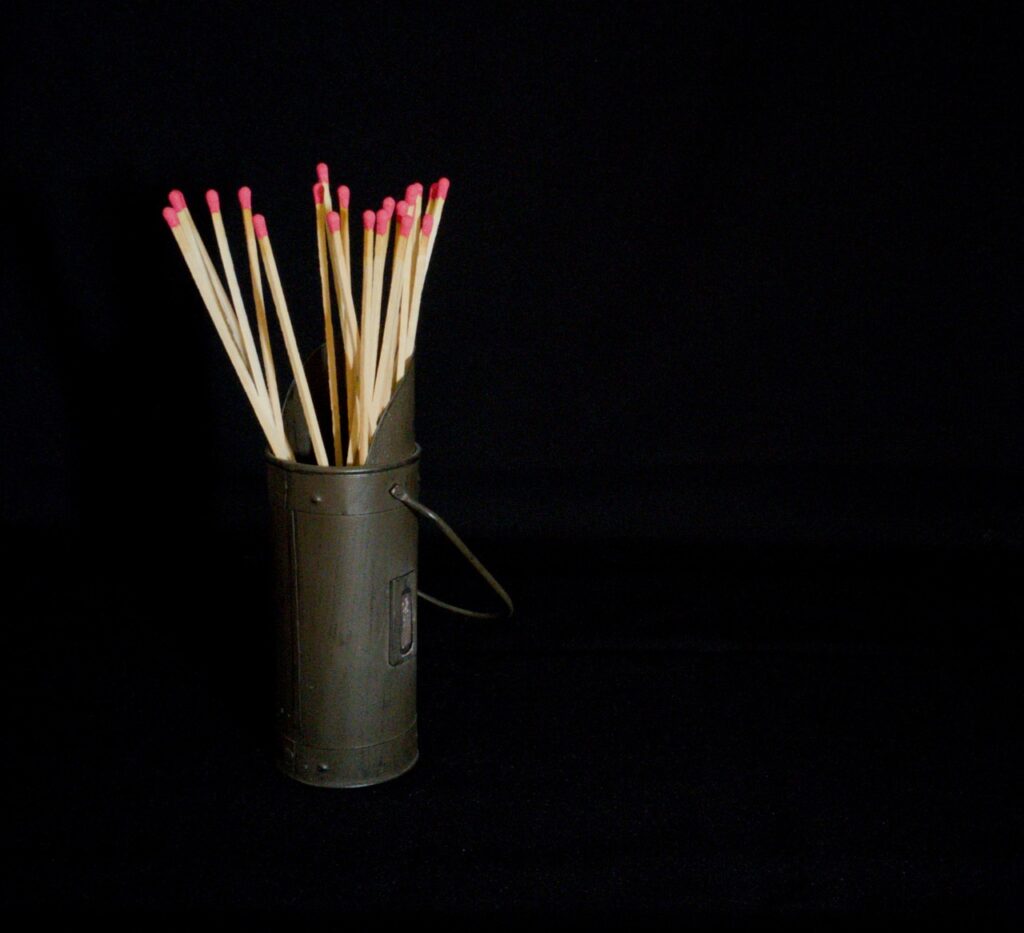
Why You Always Need a Reliable Fire Starter
Fire is not optional. It’s your heat when temperatures drop, your light when night swallows the trail, your sterilizer when water has to be safe, and a mental boost when everything else is going to hell. In survival, fire does four jobs at once, and it does them well if you can make one.
Matches and cheap lighters are fine for weekend camping in fair weather. But add wind, rain, sleet, or frost, and they crack under pressure. Strikers get damp, fuel evaporates, plastic cracks. When you’re cold and wet, and your fingers barely work, you need starting tools that just do their job.
That’s why every serious outdoor kit includes gear built for all conditions tools that ignite even in a downpour, that spark when dropped in snow, and that don’t rely on luck. This isn’t about prepping for the apocalypse. It’s about choosing tools that don’t quit when the weather turns or your plans go sideways. Your backup should have a backup.
Ferro Rods: The Gold Standard
In the world of all weather fire starting, ferrocerium rods commonly known as ferro rods set the bar for reliability. Whether you’re at high elevation or caught in a freezing downpour, these tools simply work.
How Ferro Rods Work
Creates sparks at an intense 3,000°C (5,432°F)
Sparks fly even when the rod is wet or the weather is harsh
Works through moisture, snow, and wind ideal for unpredictable environments
Ferro rods don’t rely on fuel or batteries, making them virtually fail proof under survival conditions.
Striker + Tinder: The Right Pair Matters
To get the most out of a ferro rod, pairing it with the right tools is key:
Striker: A dedicated metal striker works best, but the spine of a high carbon steel knife can also get the job done
Tinder: Dry, fluffy tinder is essential to catch the spark. Options include:
Cotton balls infused with petroleum jelly
Birch bark shavings
Char cloth or pre made survival tabs
Always prep your tinder before striking the rod it’s the key to a flame.
Top Ferro Rod Picks for 2024
When choosing a ferro rod, prioritize quality and usability:
Durability: Opt for thicker rods (1/2 inch or more) that last longer and throw bigger sparks
Grip Design: Look for ergonomic handles, especially for use with cold or gloved hands
Length: Longer rods offer a better striking surface and more controlled sparks
Recommended brands include:
Exotac fireROD (built in tinder storage)
Bayite 1/2″ Ferro Rod (budget friendly, high performance)
Light My Fire Swedish FireSteel (compact but capable)
Built for the Worst Conditions
Ferro rods excel where other fire starting methods fail:
Function at high altitudes where oxygen is thinner
Remain operational in sub zero temperatures
Work even after being submerged in water
If you’re hiking above the tree line or navigating cold, damp climates, a ferro rod is an essential cornerstone of your fire kit.
Waterproof Matches and Match Kits
Reliability matters when you’re in a downpour, at high elevation, or fumbling with cold hands. That’s where waterproof and stormproof matches come into play. But not all weatherproof matches are created equal.
Why Stormproof Beats Regular Waterproof
Ordinary waterproof matches resist moisture but often fail in high wind or after submersion. Stormproof matches are engineered for extreme survival conditions, offering several major advantages:
Longer burn time: Many stormproof matches burn for up to 15 30 seconds, even after being dunked in water.
Wind resistance: They stay lit in high gusts, which regular waterproof matches can’t withstand.
Thicker build: Sturdy enough to strike against coarse surfaces and still ignite in wet conditions.
Floating Kits & Reliable Storage
It’s not just about the matches you need a good waterproof container that makes your match kit usable in emergencies.
Look for features like:
Buoyant cases: Floating containers reduce the risk of losing everything in a river crossing or dropped canoe.
Integrated strikers: Some kits come with strikers mounted to the lid or side, protected from weather.
Spare striker storage: Damp strikers render matches useless, so backups are essential.
Keeping everything sealed and accessible at the same time is critical. Store your match kit in a dry bag pocket or exterior pouch for quick access.
Match Kits Are Backup, Not Your First Line
While stormproof matches are excellent in tough conditions, they should supplement never replace your primary fire starter. Why?
Limited quantity: Even a full kit runs out eventually.
User fatigue: Cold fingers or gloves make striking more difficult.
Limited versatility: Won’t work well in every terrain or moisture level.
Pro Tip: Always combine matches with tools like ferro rods or arc lighters for a more complete fire strategy.
When weather turns fierce, having reliable match kits can give you the edge but you’d better have a plan beyond the matchstick.
Electric Arc Lighters (Plasma Lighters)
When you’re deep in the wild and the rain won’t quit, a windproof, flameless solution can make all the difference. That’s where electric arc lighters come in. These rechargeable devices use a high voltage electric arc to ignite tinder no spark wheel, no butane, no flame. Because there’s no traditional flame, they work even in driving rain or wind that would laugh at a match.
Arc lighters are tailor made for ultralight hikers and campers who aren’t afraid to bring a bit of tech on the trail. They’re compact, slick, and often double as flashlights or emergency beacons. The downside? They run on batteries. No juice, no fire. And in freezing temps, lithium batteries can lose charge faster than expected. You’ll want to keep yours close to your body in cold conditions and carry a backup fire source, just in case.
Still, for those who like gear that does more with less weight, electric arc lighters deliver precision ignition without the fuss. Just don’t forget the charging cable or a way to charge it.
Traditional Flint & Steel: Still Has a Place
When all else fails, traditional flint and steel remains one of the most dependable fire starting methods. Though older than most modern fire tools, it’s continuously relied upon by skilled outdoorsmen and bushcraft enthusiasts for a reason: simplicity and resilience.
Built for Harsh Conditions
No moving parts: Unlike lighters and matches, it can’t leak, jam, or run out of fuel.
Unaffected by altitude or cold: Performs well in freezing temperatures and thin mountain air.
Water resistant by nature: Flint and steel doesn’t fail just because it gets wet just dry the tinder and strike.
Perfect for Experienced Survivalists
Practice makes perfect: This method takes time and patience to master, especially finding the right rhythm and angle.
Efficient when mastered: Once skilled, it’s a long lasting and pack friendly option that requires no external power.
Timeless appeal: A valuable part of any bushcraft loadout, especially when venturing off grid for extended periods.
Best Use Cases
Long expeditions in remote areas where resupply is not an option
As a backup when modern devices fail
As a teaching tool for survival skill building
Traditional flint and steel may not be the most convenient for beginners or short trips but when the margin for error is zero, it holds its ground.
Tinder: Half the Battle
When it comes to starting a fire in wet or unpredictable conditions, even the best ignition tool won’t help if you’re working with poor tinder. Knowing what tinder to carry and how to prepare it can make all the difference between a roaring fire and a cold night.
Store Bought vs. DIY Options
There are plenty of commercial tinders on the market, but many survivalists prefer to mix in homemade versions that are just as effective and often cheaper.
Store Bought Tinder Options:
Compressed fire tabs (like WetFire)
Wax infused cotton pads
Waterproof tinder sticks or cubes
Magnesium shavings with wax coating
DIY Firestarters That Work:
Cotton balls soaked in petroleum jelly (store in a waterproof container)
Strips of birch bark (high oil content, ignites easily)
Dryer lint mixed with melted candle wax
Compact & Waterproof Storage Tips
Use waterproof pill bottles or aluminum tins to stash your tinder.
Vacuum sealed bags work well for larger emergency kits.
Always label your containers, especially for homemade mixes.
Packing multiple tinder types increases your chances of successful ignition, especially in different environments.
Bonus: Make Your Own Fire Tabs
Creating homemade fire tabs is a smart way to stay prepared for any condition. Here’s a quick recipe:
DIY Fire Tab Recipe:
- Melt candle wax in a double boiler.
- Soak cotton pads or dryer lint in the melted wax.
- Let them dry completely.
- Cut into small pieces and store in a waterproof container.
These fire tabs are compact, burn hot, and stay lit even in rainy or windy conditions a small addition to your kit with a big impact on your fire starting success.
Final Loadout: Build a Layered Fire Starting Strategy
Counting on a single fire starter is asking for trouble. Gear fails. Conditions shift. You drop it down a ravine. That’s why seasoned pros always carry more than one method to make fire. Not five or six just three tools that cover each other’s weaknesses.
Start with a ferro rod. It works in nearly any scenario and never runs out of fuel. Add an electric arc lighter no flame, no fuss, even in gale force wind. Then finish with a pack of stormproof matches. Instant flame when your hands are cold or shaking. Redundancy isn’t overkill, it’s strategy.
Want to go even more efficient? Check out multi tools that include a fire starting function. One compact rig that handles cutting, striking, and even ignition. If you want a solid breakdown, here’s a list of Best survival tools worth keeping in your kit.
Rule of thumb: if you’re relying on one tool, you’re asking for nature to prove you wrong.
Bonus Tip: Practice Before You Need It
Gear is only as good as your ability to use it. Anyone can start a fire on a sunny afternoon with dry wood and zero wind. That doesn’t mean you’re ready. Take your kit into the rain, the snow, the cold. Get wet, get uncomfortable, and see if your fire starter still performs when your hands are numb and your nerves are frayed.
Muscle memory matters. Fumbling with a ferro rod or forgetting how long to hold an arc lighter next to damp tinder isn’t something you want to deal with when it’s dark and you’ve got an hour before hypothermia walks in. Run drills. Light fires with gloves on. Practice until you’re fast, calm, and tuned in.
Because when things go sideways, you won’t be reading instructions. You’ll be reaching for what you know and what you’ve trained for.