Know What You’re Walking Into
First off volcanoes aren’t all the same. Trekkers need to understand the big three: active, dormant, and extinct. Active means it’s currently erupting or showing signs of potential eruption think gas emissions, visible lava, or seismic tremors. Dormant volcanoes haven’t erupted in a while but still could. Extinct? Unlikely to ever erupt again, though in geology, ‘never’ is a dangerous word. Always know which one you’re dealing with before setting boots to black rock.
Then there’s lava terrain. Pahoehoe looks smooth and ropy easier on the feet but can still be slippery. Aʻa is jagged and ankle twisting sharp, more like walking on smashed plates. Not all lava is fresh or glowing, but that doesn’t mean it’s dead. Heat lingers, surfaces can collapse, and some areas are straight up unstable. Treat every step as part of a living, shifting system.
Watch for seismic activity alerts. Most volcanic regions are monitored in real time. Get familiar with national geological surveys and local apps. Know what a yellow alert means versus an orange or red. If local rangers say move, you move. Trekkers who ignore the warnings often end up as cautionary tales.
Finally, don’t skip the briefings geology updates and safety advisories may seem like overkill, but they’re often the only thing standing between you and a 4 a.m. rescue. Pay attention. Ask questions. It’s not about fear it’s about respect for unstable ground.
Gear Built for Harsh Ground
Volcanic terrain offers some of the most challenging and unforgiving surfaces on Earth. Whether you’re crossing freshly cooled lava fields or navigating steep volcanic slopes, your gear needs to be built with intention and tested for extremes.
Footwear: Traction Meets Durability
Not all hiking boots are created equal when it comes to volcanic terrain. Sharp aʻa lava and uneven pahoehoe ridges can tear standard soles apart.
Choose boots with multi directional grip and reinforced soles
Rubber outsoles with deep lugs fare best on jagged terrain
Avoid thin mesh or minimalist shoes protection matters more than weight
Dress for Heat and Heat Resistance
Your clothing should do more than keep you warm or cool. In volcanic zones, it must stand up to both high temperatures and unpredictable moisture.
Wear heat resistant base layers to guard against radiant ground temps
Moisture wicking fabrics help manage sweat while reducing chafing
Layer intelligently: mornings can be cold, but lava zones heat rapidly by midday
Helmet, Gloves, and Poles: Your Non Negotiables
Falls and minor injuries are common while navigating lava terrain. Protecting your extremities isn’t optional.
Use lightweight climbing or trekking helmets to guard against rockfalls and low overhangs
Durable gloves prevent cuts during scrambles or stumbles on sharp rock
Trekking poles aid balance and reduce foot fatigue especially on unstable routes
Visibility: Prepping for Night Treks
Lava fields after sunset are otherworldly but darkness amplifies every risk.
Use high lumen headlamps (300 lumens or more recommended)
Always bring backup batteries or a secondary light source
Reflective strips on clothing and gear improve visibility within groups
Proper gear is not just about comfort it’s your first layer of safety when engaging with unpredictable terrain. Equip wisely, and you’ll reduce the risk while increasing your ability to explore confidently.
Timing is Everything
Trekking across volcanic terrain demands more than sturdy boots. It means knowing when to step out and when to stay put. Early mornings tend to offer cooler temps and clearer skies. Cooler ground can also mean more stable footing in steam prone areas. But you’ll be trading low light for less heat. Twilight treks flip the equation better visibility, yes, but the ground’s stored heat radiates back up. Lava and rock that baked all day become heat traps, and that can turn a tough hike into a dangerous one.
Weather doesn’t wait. Even light rain can turn solid rock into a slick, ankle breaking surface. Fog can roll in fast, erasing visual markers. And heat waves? They expand underground gas pockets, sometimes leading to unexpected steam vents or even minor eruptions.
And here’s the kicker just because it’s dry season doesn’t mean it’s safe. Dry doesn’t mean stable. Cracks open up, terrain shifts, and ash from older flows can cover new hazards. No matter what the calendar says, always check local reports before heading out. Clocks and sunshine don’t tell the whole story in lava country.
Navigation Tactics for Lava Fields

Effective navigation is one of the most critical aspects of lava terrain trekking. Volcanic landscapes are often rugged, disorienting, and ever changing. Relying on a single method of navigation can put you at serious risk.
Use Both Trail Markers and GPS
Modern GPS devices can be extremely helpful in lava fields, especially when there’s minimal signage. However, digital guidance alone isn’t enough.
GPS accuracy can drop in fog, heavy cloud cover, or deep craters
Trail markers often small posts, painted stones, or cairns offer fixed references in shifting terrain
Combine both tools for cross verification and peace of mind
Pro tip: Download detailed offline GPS maps of the area before you trek.
Plan for Zero Cell Service
Many volcanic areas are off grid and lack reliable connectivity. That means your navigation strategy must include analog backups.
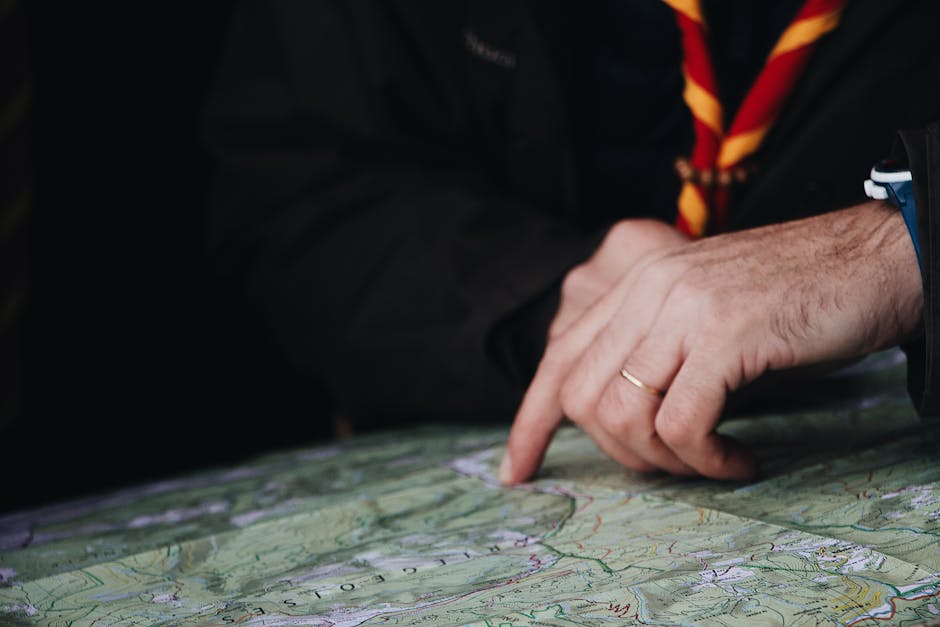
Carry a physical topographic map of the area you’re exploring
Familiarize yourself with key landscape features before venturing out
Bring a compass and know how to use it
Store all digital maps and vital info offline in multiple devices if possible
Understand the Hazards: Firelines and Steam Vents
In volcanic zones, hazards aren’t always visible. You need to watch the terrain and know how to interpret it.
Firelines (fresh lava zones) may look solid but can be dangerously unstable underneath
Steam vents indicate active geothermal activity; getting too close can lead to severe burns and inhalation risks
Always stay on marked paths and heed posted warning signs
Tip for beginners: If you’re unsure about steam vent proximity, test wind direction with water or a light piece of fabric never walk into steam without knowing its source.
Getting through lava fields safely requires more than tech it calls for layered knowledge, constant awareness, and respect for the ground beneath your feet.
Going With Guides Who Know the Ground
Trekking across volcanic terrain isn’t a pick up and go situation. Certified volcano guides aren’t just there to point at lava and lead the way they’re trained, experienced, and often local. They know how to read the land, when to turn back, and exactly what to do when things go sideways. In unstable terrain, that kind of know how isn’t optional.
Spotters and emergency responders often work in tandem with guides in more active zones. These folks monitor conditions in real time seismic shifts, gas levels, unexpected heat pockets and act fast when danger flares up. You may not see them, but their eyes are on you. They’re the invisible safety net.
Responsible tourism in volcanic areas means you’re not just chasing dramatic photos. It means respecting restricted zones, leaving no waste, and sticking to permitted paths. It means asking questions, listening to your guide, and understanding the balance between human curiosity and nature’s raw edge. Every respectful step keeps the trails open, the locals supported, and the land protected.
Go with someone who knows the ground. Anything less is just reckless.
Cross Terrain Comparisons
Navigating lava fields and desert sands might sound worlds apart, but ask any seasoned trekker both terrains demand precision, patience, and respect. Still, the key differences can make or break an expedition.
Lava terrain is rigid, jagged, and often unstable. You’re stepping over razored edges, crumbly ledges, and cooled flows that can shift underfoot. Every step needs intention. In contrast, sand navigation particularly in dunes tests endurance with constant sink and slide. Here, it’s about rhythm: step, slip, repeat, for hours.
Where they overlap is in the prep. Like desert trekking, lava treks demand minimalism in loadout but maximum focus on essentials. You need breathable fabrics, layered clothing, blister prevention, and high calorie snacks. The same strategies used for arid survival apply on hardened flows this desert trek guide breaks it down well.
Hydration and pacing are a shared science. In both terrains, losing water equals losing clarity. But here’s the catch: in lava zones, heat can radiate from the ground beneath you, not just the sun above. So it’s not just about drinking often, it’s about recognizing how quickly you’re draining without noticing. Pacing has to be deliberate cut speed, especially midday, and build in regular shade or rest breaks, even if all you’ve got is a rock shadow.
In the end, whether you’re dragging boots through sand or hopping sharp rock, your most important gear is good judgment.
After the Trek
Trekking across volcanic terrain is only part of the journey what happens after you leave the lava fields is just as important. Post trek care helps prevent minor injuries from becoming major setbacks and ensures your gear and the environment are handled responsibly.
Treating Minor Burns, Scrapes, and Blisters
Even with proper gear, volcanic terrain can still leave its mark. Addressing injuries quickly is crucial:
Burns from residual heat can occur if you’ve touched hot surfaces or sat on recently sunlit areas. Cool the burn immediately with clean water and cover it with sterile, non stick gauze.
Scrapes and cuts are common due to sharp aʻa lava. Clean wounds thoroughly to prevent infection volcanic dust and bacteria can complicate healing.
Blisters from excessive friction, especially in heat and long treks, should be drained only if absolutely necessary. Keep them clean and covered.
Pro tip: Include aloe based creams and antiseptic wipes in your first aid kit, along with moleskin and burn gel pads.
Post Trek Gear Check
Lava rocks are notoriously unforgiving on equipment. After your trek, inspect every piece of gear:
Footwear: Check soles for melting, cracks, or embedded glassy fragments.
Clothing: Look for singes or tears caused by sharp lava or heat exposure.
Backpacks and poles: Inspect straps, joints, and any rubber surfaces for signs of wear or damage.
Replace items with structural damage to ensure safety on your next outing.
Logging Your Experience
Beyond personal reflection, documenting your trek helps with broader safety and conservation efforts:
Report trail conditions and any unusual formations or hazards to local park authorities.
Share data with park safety monitoring systems if available especially steam vents, landslides, or rapid changes in terrain.
Some guided services may offer post trek debriefs where you can contribute valuable feedback.
Recording your experience benefits both future trekkers and the ongoing understanding of active volcanic regions.
Don’t Just Survive Understand
Trekking lava terrain isn’t just about dodging heat and choosing the right boots. It’s also about knowing where you are and why it matters. Local guides aren’t just safety buffers; they’re living archives of volcanic history and myth. These stories help shape the land’s identity, and hearing them gives weight to the ground under your feet.
Just as important: not all paths are meant for walking. Sacred sites in volcanic regions often blend spiritual, cultural, and ecological value. Stepping off trail might not just damage delicate formations it can disrespect generations of tradition. Ask before you wander, and err on the side of restraint.
Finally, remember that lava fields aren’t dead rockscapes. They breathe, shift, and grow. From fragile ferns to hidden steam channels, these places demand awareness. Walk with sharp eyes and soft steps. Understanding isn’t a bonus comfort it’s another layer of safety, and a way to honor the land that lets you in.

 Mark Rosarionoberosa has opinions about horizon headlines. Informed ones, backed by real experience — but opinions nonetheless, and they doesn't try to disguise them as neutral observation. They thinks a lot of what gets written about Horizon Headlines, Nature Trek Insights and Basics, Yiganlawi Terrain Expedition Guides is either too cautious to be useful or too confident to be credible, and they's work tends to sit deliberately in the space between those two failure modes.
Reading Mark's pieces, you get the sense of someone who has thought about this stuff seriously and arrived at actual conclusions — not just collected a range of perspectives and declined to pick one. That can be uncomfortable when they lands on something you disagree with. It's also why the writing is worth engaging with. Mark isn't interested in telling people what they want to hear. They is interested in telling them what they actually thinks, with enough reasoning behind it that you can push back if you want to. That kind of intellectual honesty is rarer than it should be.
What Mark is best at is the moment when a familiar topic reveals something unexpected — when the conventional wisdom turns out to be slightly off, or when a small shift in framing changes everything. They finds those moments consistently, which is why they's work tends to generate real discussion rather than just passive agreement.
Mark Rosarionoberosa has opinions about horizon headlines. Informed ones, backed by real experience — but opinions nonetheless, and they doesn't try to disguise them as neutral observation. They thinks a lot of what gets written about Horizon Headlines, Nature Trek Insights and Basics, Yiganlawi Terrain Expedition Guides is either too cautious to be useful or too confident to be credible, and they's work tends to sit deliberately in the space between those two failure modes.
Reading Mark's pieces, you get the sense of someone who has thought about this stuff seriously and arrived at actual conclusions — not just collected a range of perspectives and declined to pick one. That can be uncomfortable when they lands on something you disagree with. It's also why the writing is worth engaging with. Mark isn't interested in telling people what they want to hear. They is interested in telling them what they actually thinks, with enough reasoning behind it that you can push back if you want to. That kind of intellectual honesty is rarer than it should be.
What Mark is best at is the moment when a familiar topic reveals something unexpected — when the conventional wisdom turns out to be slightly off, or when a small shift in framing changes everything. They finds those moments consistently, which is why they's work tends to generate real discussion rather than just passive agreement.