
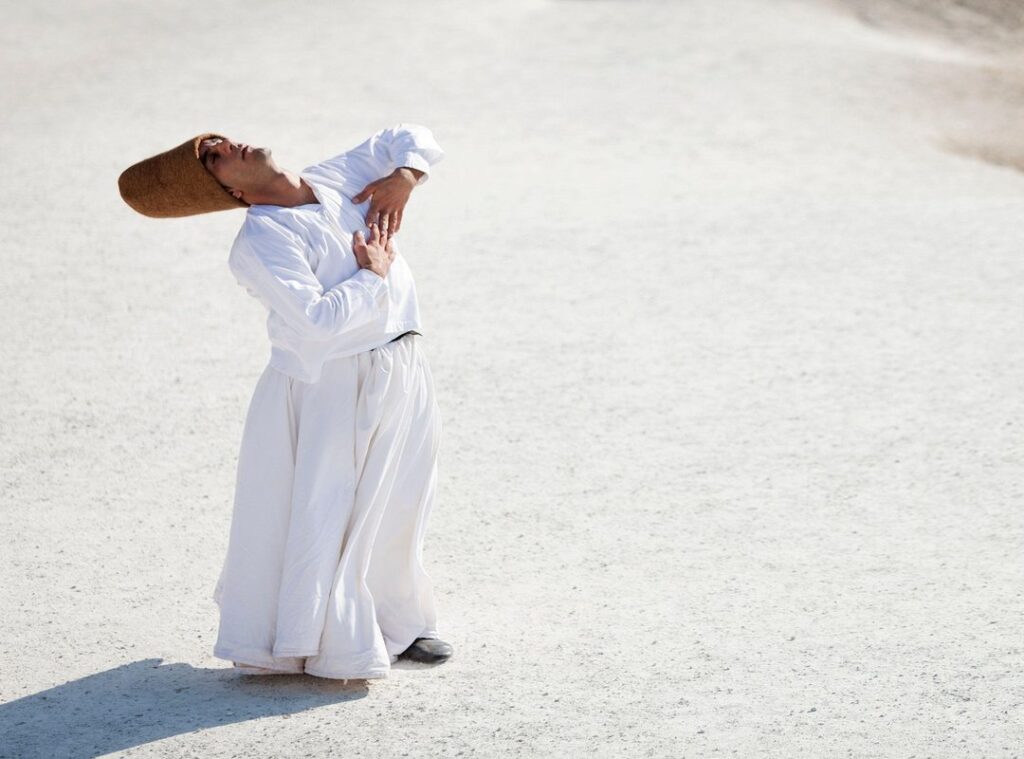
I love the quiet of the night. It’s a time when the world slows down, and you can really connect with something deeper. The Tahajud prayer is all about that.
This guide is here to help you understand and practice the Tahajud prayer. You’ll find the full prayer text in both doa tahajud rumi dan jawi. That way, it’s accessible no matter what script you’re comfortable with.
We’ll also cover the meaning behind the prayer, its benefits, and the correct steps to perform it. This guide is designed to make it easy for you to incorporate this beautiful practice into your life.
Understanding the Power of the Tahajud Night Prayer
The Tahajud prayer is a special, voluntary prayer performed during the last third of the night. It’s a profound act in Islam, aimed at seeking closeness to God.
Tahajud holds deep significance. It’s a way to connect with the divine and find peace. The spiritual benefits are immense.
Forgiveness of sins, acceptance of supplications, and attaining a higher spiritual rank are just a few.
The best time for Tahajud is the last third of the night. This means between midnight and the pre-dawn prayer. It’s a quiet, reflective time when the world is still.
A Hadith emphasizes its value: “The best prayer after the obligatory prayers is the night prayer.” This shows how much God values this specific act of worship.
Tahajud is different from the mandatory daily prayers. It’s voluntary, making it even more special. When you choose to pray Tahajud, you’re going above and beyond.
I recommend starting with a simple intention. Begin by waking up just before the pre-dawn prayer. Recite doa tahajud rumi dan jawi and feel the calm it brings.
Gradually, make it a regular part of your routine.
Give it a try. You might be surprised by the peace and clarity it brings.
How to Perform Tahajud: A Simple Step-by-Step Guide
Waking up in the stillness of the night, it’s like the world is holding its breath. You’re about to do something special.
- Wake Up and Make Wudu
- Start by waking up with a clear intention. It’s like setting your compass for the journey ahead.
-
Go to the bathroom and make wudu (ablution). Cleanse your hands, mouth, nose, face, arms, head, and feet. It’s like washing away the day’s distractions.
-
Form the Intention (Niyyah)
-
Stand in a quiet place and form the intention. Say, “I intend to pray two rak’ahs of Tahajud prayer.” It’s like planting a seed with a clear purpose.
-
Begin the Prayer
-
Stand facing the Qibla (direction of the Kaaba in Mecca). Raise your hands to your ears and say, “Allahu Akbar” (God is the Greatest). It’s like opening the door to a sacred space.
-
Recite Surah Al-Fatiha and Another Surah
-
Recite Surah Al-Fatiha. Then, choose a short surah like Surah Al-Ikhlas or Surah Al-Kafirun. It’s like reading a letter from a dear friend.
-
Perform Ruku (Bowing)
-
Bow down and say, “Subhana Rabbiyal Azeem” (Glory to my Lord, the Almighty). It’s like bowing to the majesty of the universe.
-
Stand Up and Recite Again
-
Stand up again and recite Surah Al-Fatiha and another short surah. It’s like repeating a beautiful melody.
-
Perform Sujood (Prostration)
-
Go into prostration and say, “Subhana Rabbiyal A’laa” (Glory to my Lord, the Most High). Do this twice. It’s like touching the ground with humility.
-
Repeat for More Rak’ahs
-
Repeat the cycles of two rak’ahs. The recommended number is from two up to eight or more. It’s like building a strong foundation, one brick at a time.
-
Final Steps and Supplications (Doa)
- After completing the rak’ahs, sit back and recite the final tashahhud and salaam. It’s like closing the book after a meaningful chapter.
- Recite the doa tahajud rumi dan jawi. It’s like whispering a secret wish to the stars.
Consistency is key. Even if you only manage two rak’ahs, it’s more valuable than sporadic, longer prayers. It’s like watering a plant every day, even if it’s just a little. this guide
The Full Tahajud Prayer (Doa) in Rumi Script with Translation

This section provides the prayer text in Rumi, the Romanized script, for ease of reading and memorization. It’s especially helpful for those who might not be familiar with Arabic but still want to recite the prayer.
Allahumma inni zallat fiiha anwaa’ul ‘ibaad
O Allah, indeed the creatures have slept in it.
Fa laa ilaaha illa anta subhaanaka innee khiftu ‘adhaabal qabri
There is no deity worthy of worship except You, glorified are You. I fear the punishment of the grave.
Fa ghfir warham wa antak khayrur raahimiin
Forgive and have mercy, and You are the Best of those who show mercy.
Allahumma inni as’aluka min kulla khairin maa ahyaa bihi wa ummurtu
O Allah, I ask You for every good that I live by and die by.
Wa as’aluka min kulla birrin naasihin
And I ask You for every beneficial knowledge.
Wa as’aluka min kulla sharrin maa ahyaa bihi wa ummurtu
And I ask You for protection from every evil that I live by and die by.
Wa as’aluka min kuli birrin naasihin
And I ask You for every beneficial knowledge.
The core themes of the doa tahajud rumi dan jawi include praising God, acknowledging His greatness, and asking for light and guidance. Each line is a heartfelt plea, recognizing the power and mercy of Allah and seeking His protection and blessings.
Understanding the meaning of the words being recited is crucial. It enhances the spiritual connection and makes the act of prayer more meaningful. When you know what you’re saying, it’s easier to feel the depth of your devotion and the sincerity of your requests.
The Original Tahajud Prayer (Doa) in Jawi Script
In this section, you’ll find the prayer in its traditional Jawi (Arabic) script.
Here’s the full prayer in Jawi:
[Insert clear, high-quality image or properly formatted text of the full prayer in Jawi here]
And here’s the English translation:
[Insert English translation here]
Reading the prayer in its original script has its benefits. It helps ensure correct pronunciation and connects you with Islamic heritage.
If you’re learning Arabic or Jawi, use this as a practice tool. Compare it with the Rumi version to see the differences.
I think it’s important to make the prayer accessible to all. Whether you prefer reading doa tahajud rumi dan jawi, having both scripts side by side helps everyone connect with the prayer in their own way.
Embracing the Blessings of Nightly Prayer
Tahajud, a voluntary night prayer, is a profound act of worship that brings one closer to God. It involves specific steps, including making the intention, performing the physical movements, and reciting doa tahajud rumi dan jawi. This practice offers immense spiritual rewards and a deep sense of peace.
Start tonight with just two simple rak’ahs. Even this small beginning can lead to a powerful habit of nightly devotion.
May you find a deeper connection with God through this beautiful act of worship.

 Mark Rosarionoberosa has opinions about horizon headlines. Informed ones, backed by real experience — but opinions nonetheless, and they doesn't try to disguise them as neutral observation. They thinks a lot of what gets written about Horizon Headlines, Nature Trek Insights and Basics, Yiganlawi Terrain Expedition Guides is either too cautious to be useful or too confident to be credible, and they's work tends to sit deliberately in the space between those two failure modes.
Reading Mark's pieces, you get the sense of someone who has thought about this stuff seriously and arrived at actual conclusions — not just collected a range of perspectives and declined to pick one. That can be uncomfortable when they lands on something you disagree with. It's also why the writing is worth engaging with. Mark isn't interested in telling people what they want to hear. They is interested in telling them what they actually thinks, with enough reasoning behind it that you can push back if you want to. That kind of intellectual honesty is rarer than it should be.
What Mark is best at is the moment when a familiar topic reveals something unexpected — when the conventional wisdom turns out to be slightly off, or when a small shift in framing changes everything. They finds those moments consistently, which is why they's work tends to generate real discussion rather than just passive agreement.
Mark Rosarionoberosa has opinions about horizon headlines. Informed ones, backed by real experience — but opinions nonetheless, and they doesn't try to disguise them as neutral observation. They thinks a lot of what gets written about Horizon Headlines, Nature Trek Insights and Basics, Yiganlawi Terrain Expedition Guides is either too cautious to be useful or too confident to be credible, and they's work tends to sit deliberately in the space between those two failure modes.
Reading Mark's pieces, you get the sense of someone who has thought about this stuff seriously and arrived at actual conclusions — not just collected a range of perspectives and declined to pick one. That can be uncomfortable when they lands on something you disagree with. It's also why the writing is worth engaging with. Mark isn't interested in telling people what they want to hear. They is interested in telling them what they actually thinks, with enough reasoning behind it that you can push back if you want to. That kind of intellectual honesty is rarer than it should be.
What Mark is best at is the moment when a familiar topic reveals something unexpected — when the conventional wisdom turns out to be slightly off, or when a small shift in framing changes everything. They finds those moments consistently, which is why they's work tends to generate real discussion rather than just passive agreement.