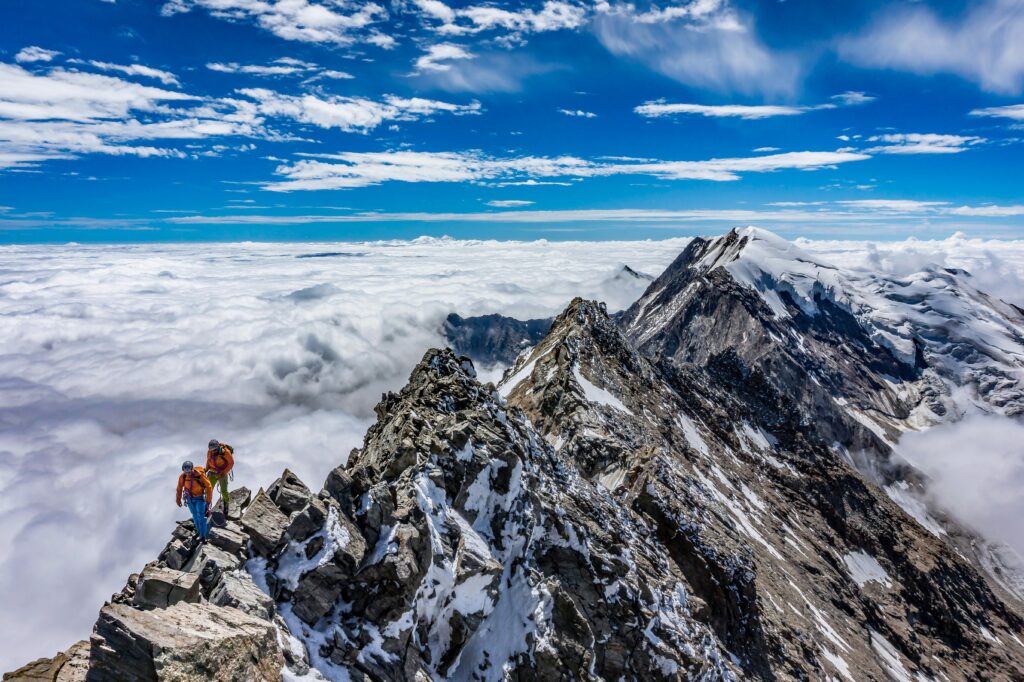

Know Your Expedition Type
Before thinking about liters and loadouts, get clear on where you’re headed and for how long. A weekend hike means minimal weight a 30 40L pack and basic essentials. But if you’re trekking for weeks, venturing off grid, or crossing varied terrain, your pack needs to match the mission.
Terrain decides toughness. Alpine routes demand frames that handle awkward loads and vertical movement. Desert interiors mean heat management and ample hydration setup. Jungle? Think mold resistance and quick drain design. Mixed environments call for packs that do a little of everything, without breaking down halfway through.
Then there’s the support factor. Are you self reliant from start to finish, or can you tag in at resupply points? If you’re hauling everything, you’ll need more volume and smart weight distribution. If you can restock en route, you’ve got more flexibility carry only what’s essential between stops.
Bottom line: dial in the duration, dissect the terrain, and know your support options. Choose wrong here, and even the fanciest backpack won’t save you.
Capacity: Size Matters
Choosing the right capacity is one of the most important decisions when selecting a backpack for extended expeditions. Size influences how you pack, move, and survive in the backcountry. Here’s a breakdown to help you match your backpack’s volume with your expedition needs:
30 50L: For Minimalist or Short Adventures
Ideal for:
Weekend trips or overnight hikes
Warm weather conditions with minimal gear
Ultralight travelers who dial in their gear list to the essentials
Note: Every liter counts. If you’re carrying a sleeping bag, compact shelter, and minimal cooking gear, this range can be surprisingly sufficient.
50 70L: The Long Trip Sweet Spot
Best for:
Multi day to week long trips where food, extra clothing, and gear are needed
Hikes in varied climates or conditions
Most long expeditions where resupply is possible at points
This range offers the balance between portability and enough space to stay self sufficient. Most expedition hikers fall within this bracket.
70L and Above: Extended Isolation or Gear Heavy Missions
Suited for:
Long hauls in remote terrain with no resupply options
Winter treks with bulky gear (insulated clothing, four season tents)
Photographers, mountaineers, or guides carrying group or specialized equipment
If you’re truly going off grid, the extra space is often a necessity not a luxury.
Learn more from our backpack selection tips
Fit and Comfort
A backpack that doesn’t fit right will grind you down by Day Two. Start by measuring your torso length not your overall height. Two people can be the same height and have wildly different torso lengths, which is what actually dictates how the pack should sit. Most quality expedition packs offer sizing charts. Use them.
Next, don’t settle for anything without an adjustable harness. Conditions change, loads shift, and days get longer. Being able to tweak shoulder strap height or dial in load lifters mid journey is the difference between comfort and misery.
Now the hip belt this is not optional. It’s where you want most of the weight to rest, not your shoulders. A good belt hugs your iliac crest, distributing the load and taking pressure off your back. If it doesn’t lock in and feel sturdy, move on.
And finally, ventilation. Those mesh back panels and breathable frames aren’t just marketing fluff. When you’re trudging uphill with 40 pounds on your back, airflow keeps things bearable. A sweaty back is a small discomfort that becomes a massive distraction over time. Don’t overlook it.
Build Quality and Durability
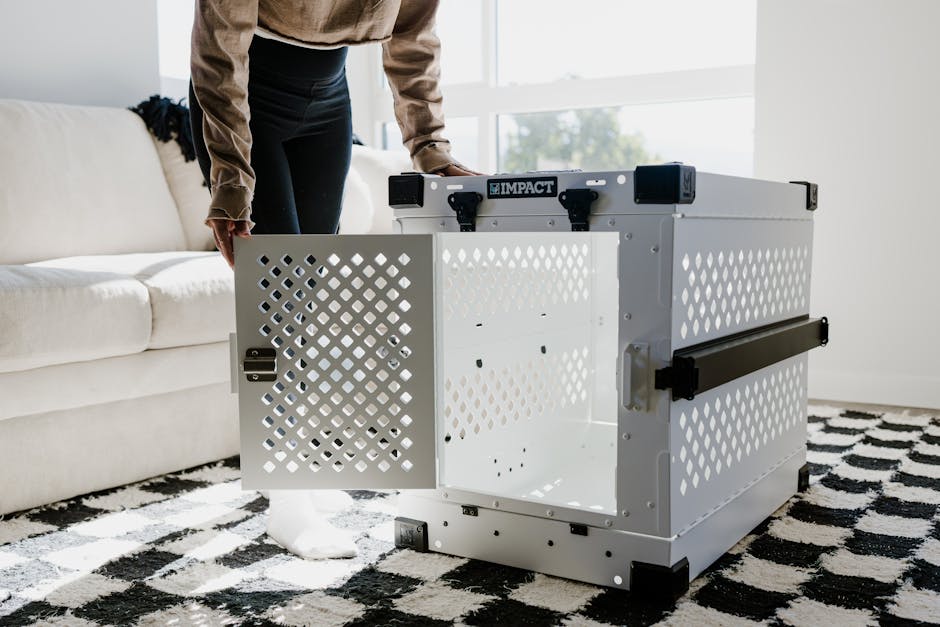
When you’re deep into a multi day expedition, durability isn’t optional it’s essential. The materials your pack is made from will decide whether it survives the terrain or fails right when you need it most. That’s where ripstop nylon and high denier Cordura come in. These fabrics are heavier, sure. But they’re built to handle the abrasion, brush, and brutal weather long treks throw at you. The extra grams are worth it when you’re bushwhacking or hauling over scree fields.
Then there’s load integrity. Reinforced stress points like shoulder strap seams, hip belt junctions, and haul loops need to be rock solid. Weak stitching or bad reinforcement means catastrophe under load. Same for zips. You don’t want a busted zipper halfway into a 10 day loop. Look for weather sealed YKK or similar level gear. Cheap closures don’t belong here.
Lastly, skip the gimmicks. A phone charger built into a flap pocket won’t help when the bag tears under pressure. Stick to designs that have proven their worth in the field. Go minimal, pack smart, and let the workhorse gear carry the weight.
Key Features That Actually Matter
You can survive without fancy colors or built in speakers, but if your backpack lacks the right access points, you’re in for daily frustration. Top loading packs are simple and rugged great for stuffing gear in tight but not so friendly when you need that headlamp buried at the bottom. Panel and side zips offer faster access to main compartments, which is a game changer for multi stop days or sudden weather shifts that force quick gear swaps.
Hydration bladder compatibility should be a given at this point. If you’re still reaching for a bottle buried under layers of fleece, you’re burning time (and patience). Most high quality expedition packs have internal sleeves and hose ports don’t compromise on this.
External lash points matter more than you think. Tents, poles, crampons, even wet socks you’ll eventually want them outside your bag. Look for well placed daisy chains, loops, and gear straps that don’t flap or snag.
Finally, modular attachments are the unsung heroes of long trips. Being able to clip on extra pouches, snow gear, or even a smaller summit pack keeps your load adaptable. Customize your setup to match the mission it’s the difference between dragging and moving smart.
Weight: Balance It Right
Ultralight backpacking has its place, but it’s not the one size fits all solution it’s made out to be. Shaving grams might make you feel fast and efficient until you’re cold, soaked, or hauling a broken strap five days from the nearest road. There’s a difference between being streamlined and being underprepared.
The smarter move? Dial in a pack weight that keeps you mobile without sacrificing core needs: shelter, warmth, calories, and durability. Prioritize a solid frame and a hip belt that actually transfers the load. Go lighter when you can, but not at the cost of comfort or safety. A pack that weighs a few ounces more but fits right and handles wear will serve you better than one that’s light but flimsy.
Base pack weight is a guideline, not gospel. Aim for something manageable that doesn’t compromise your mission. If you’re trekking through rough terrain or variable weather, it’s better to be ready than sorry. Shed what you don’t need just don’t ditch the essentials in pursuit of numbers.
Final Packing Strategy
Gear doesn’t matter if you can’t find it when you need it. Pack organization is what separates seasoned expeditioners from the rest. It’s not just about stuffing things where they fit there’s a method, and it makes all the difference when you’re soaked, tired, or racing daylight.
Start with color coded dry bags. One for clothes, one for food, one for gear. No digging required, even in the dark. It cuts unpacking and repacking time in half, and saves your sanity when weather turns or trails get rough.
Keep frequently used items in top lid compartments or side access pockets. That’s your rain shell, your trail snacks, your map stuff you reach for all the time. Delicate gear? Wrap it or mount it smart. A well packed bag rides better, and a riding pack is one less thing to think about when every step counts.