Pick the Right Trail
Start simple. Your first trek doesn’t need to be a test of endurance it needs to be inviting. Look for trails under 5 miles with minimal elevation gain. That keeps things manageable while still giving you a feel for the outdoors. Read user reviews, check maps, and don’t underestimate the effect of terrain or a sudden weather shift on your experience.
Apps like AllTrails and Gaia GPS are your best friends. Use them to preview trail routes, see photos, monitor elevation, and even download offline maps in case service drops. They’ll also flag trails as easy, moderate, or hard which makes narrowing your shortlist faster.
If you’re unsure where to start, find a local nature preserve or hit a national park on a weekday when crowds are thin. These areas are usually well marked, relatively safe, and maintained. Plus, some offer ranger guided walks or posted advice that makes trail navigation smoother.
The goal is to enjoy yourself not to set a land speed record. Pick a path that lets you ease in, build some confidence, and get curious about what’s beyond that first bend.
Gear You Actually Need
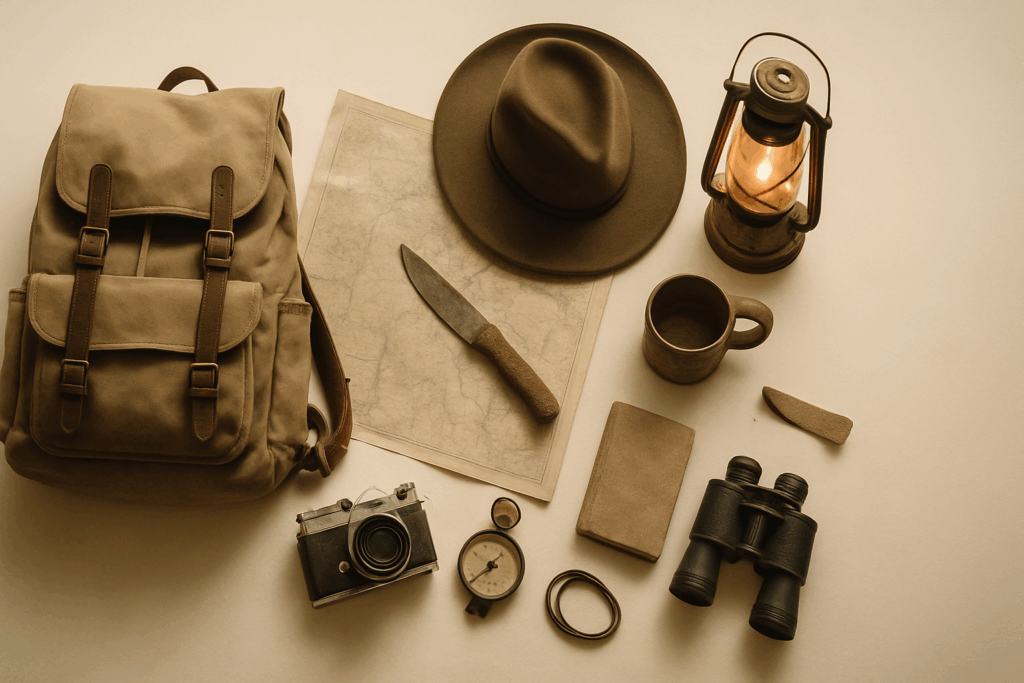
Getting outside doesn’t require expensive or ultra technical equipment just the right mix of comfort, practicality, and a little preparation. Here’s what to bring on your first nature trek.
Footwear: Your Most Important Choice
Wear comfortable hiking shoes or trail runners
Avoid breaking in new shoes on hike day blisters will ruin the experience
Make sure your shoes are broken in, well fitted, and appropriate for your chosen trail
Pack Smart: Essentials Only
Bring a small daypack that’s lightweight but large enough to carry your gear.
Include a hydration system (like a water bladder) or carry at least two water bottles
Dress in layers, so you can adjust to temperature changes on the trail
Think lightweight tops, a fleece or light jacket, and a waterproof shell
Don’t forget sun protection:
Sunscreen
A wide brimmed hat or cap
Sunglasses if your trail is exposed
Fuel for the Trek
Energy dips are real when hiking even short trails can wear you out. Keep your energy up with fast, portable trail snacks.
Bring nutrient rich options like:
Nuts or trail mix
Fresh or dried fruit
Protein bars or granola
Helpful, Optional Extras
You don’t need these items to start hiking but they make the experience more comfortable, especially as you pick up the pace.
Trekking poles: Great for steep sections and reducing joint strain
Power bank: Keep your phone charged in case of emergency or photo ops
Bug spray: A lifesaver in summer or wooded areas with standing water
Start simple and upgrade over time. Nature doesn’t care what gear you have it just wants you out there.
Have a Basic Safety Plan
Even a short nature trek can go sideways if you’re not prepared. Start by telling someone exactly where you’re going and when you plan to be back. It’s a small step that can make a big difference if something unexpected happens on the trail.
Before you head out, check the latest trail conditions and weather updates. Trails can shut down, flood, or become unsafe overnight don’t assume yesterday’s info still holds.
Pack a basic first aid kit, not just bandages and antiseptic, but things like blister treatment and any personal meds. Most importantly, know how to use what you’re carrying. Learning a few basics before hitting the trail pays off fast.
Lastly, download trail maps for offline use. Reception is spotty in the backcountry, and losing your way because you were counting on full bars isn’t a lesson you want to learn the hard way. Be smart, move light, and don’t make safety an afterthought.
Learn Trail Etiquette
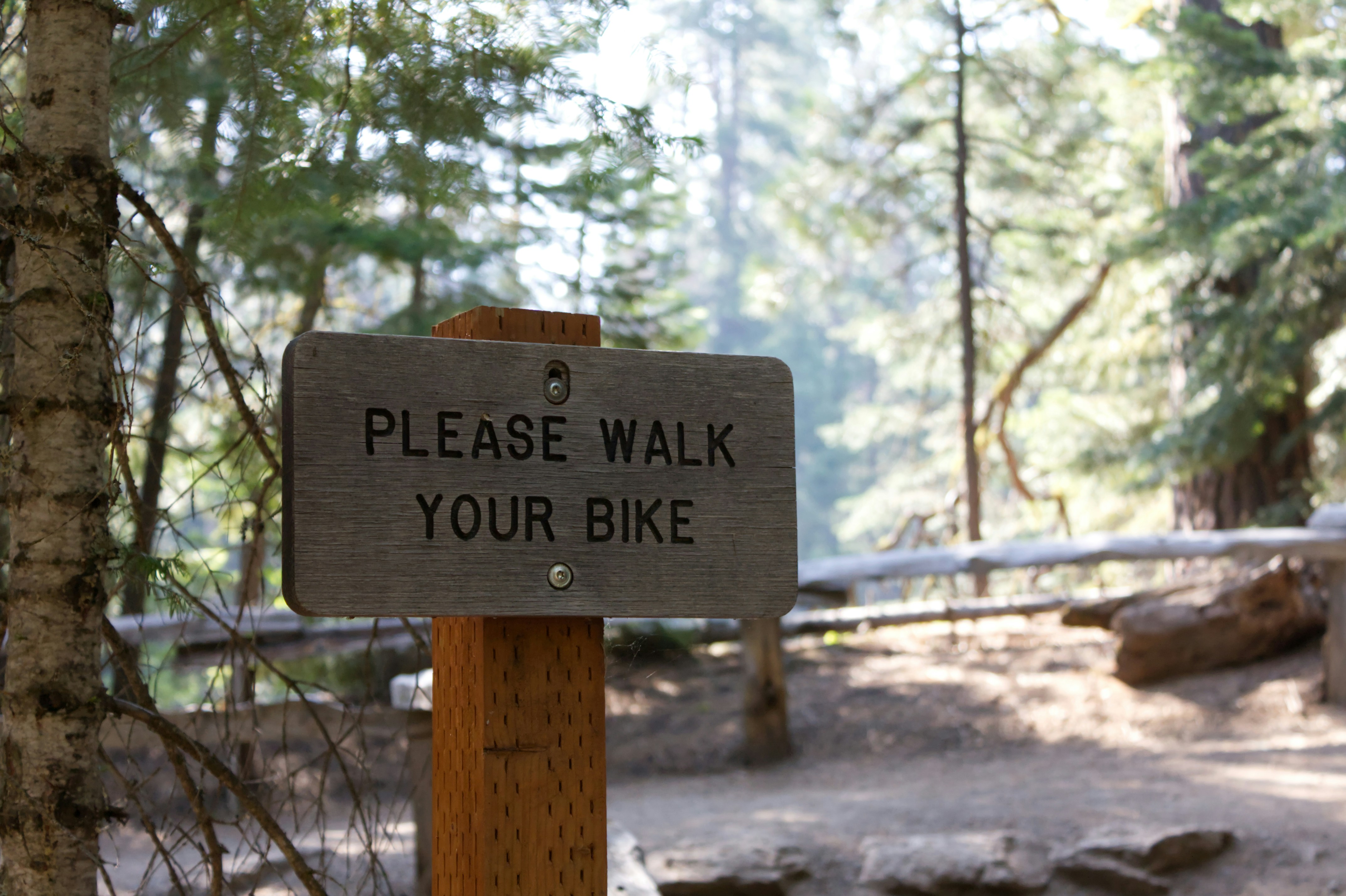
Trail etiquette isn’t fancy it’s just basic respect. First off, stay on the marked path. Shortcutting switchbacks might seem harmless, but it erodes trails fast and damages vegetation that takes years to recover.
When it comes to right of way, remember this rule: yield to those heading uphill. They’re working harder and losing steam if they stop. Same goes for horseback riders step aside calmly, don’t spook the horse, and give them space.
Trash is trash, even if it’s a banana peel. No one is out here to step over your leftover orange peels or crusts. Organic waste still messes with wildlife, so pack it all out. It’s your mess, your responsibility.
And finally, keep the volume down. Nature isn’t a concert venue. Loud music or yelling doesn’t belong out here if you want to blast your playlist, save it for the car ride home. Quiet lets everyone enjoy the trail, including the animals.
Respect the basics and the trails will respect you back.
Getting Mentally Ready
Don’t let Instagram fool you pace matters way less than progress. It’s okay to take it slow. No one’s handing out medals for fastest ascent. Trekking is personal, and your rhythm is your own. You’re not racing anybody.
Be ready to feel it. Your legs might burn, your back might sweat, and your body will work harder than it does sitting behind a screen. That doesn’t mean you’re doing it wrong. That means you’re moving. Physical effort is part of the trade off for all that fresh air and those killer views.
Start early if you can. Not just to beat the heat, but for the peace. Early trails are quieter less crowded, less chaotic, and more yours to claim. It’s the best time to settle in, breathe, and get focused before the midday buzz sets in.
Thinking Beyond One Day
So you crushed your first trail. Legs are sore, heart’s full, and now you’re wondering what’s next? If you loved the rhythm of moving through nature and shutting out distractions, it might be time to look beyond day hikes.
Multi day treks are a different beast. You’re carrying your world on your back tent, food, gear and moving from one camp to the next. To get there, start simple. Pick longer day hikes to build stamina. Learn how your body reacts to hours on the move, and tweak your pace and packing strategy.
Next, expand your skill set. That means learning the basics of backpacking, figuring out how to cook with a camp stove, and understanding how to stay dry and warm when weather turns on you. It’s less about gear and more about mindset. Planning and self reliance matter more than having the flashiest kit.
Want a clearer picture of what you’re getting into? Check out this practical guide: multi day hiking expectations.
Stay Curious, Keep Exploring
Discover as You Go
Every trail you take no matter how short or seemingly simple offers a lesson. One path might teach you how your body handles uphill climbs, another might give you your first encounter with unexpected weather. The more you hike, the more confident and adaptable you become.
Treat each trek as a learning opportunity
Reflect on what worked (and what didn’t) after each hike
Build up experience gradually, one trail at a time
Grow Through Community
Trekking doesn’t need to be a solo journey. Sharing the trail with others can motivate you, increase your safety, and introduce you to new hiking spots or techniques.
Invite a friend along shared moments deepen the experience
Join local hiking groups or online communities to stay inspired
Keep learning from others’ trail stories, mistakes, and wins
Build a Lifelong Outdoor Habit
Nature trekking has the power to become more than a weekend activity it can evolve into a lifestyle. With consistency and curiosity, hiking becomes a reliable space for clarity, physical health, and personal growth.
Focus on steady growth, not speed or competition
Continue expanding your comfort zone: different terrains, climates, lengths
Let each hike reconnect you to the outdoors and to yourself

 Ask Valdran Tornhaven how they got into nature trek insights and basics and you'll probably get a longer answer than you expected. The short version: Valdran started doing it, got genuinely hooked, and at some point realized they had accumulated enough hard-won knowledge that it would be a waste not to share it. So they started writing.
What makes Valdran worth reading is that they skips the obvious stuff. Nobody needs another surface-level take on Nature Trek Insights and Basics, Wilderness Navigation Strategies, Outdoor Survival Gear Tips. What readers actually want is the nuance — the part that only becomes clear after you've made a few mistakes and figured out why. That's the territory Valdran operates in. The writing is direct, occasionally blunt, and always built around what's actually true rather than what sounds good in an article. They has little patience for filler, which means they's pieces tend to be denser with real information than the average post on the same subject.
Valdran doesn't write to impress anyone. They writes because they has things to say that they genuinely thinks people should hear. That motivation — basic as it sounds — produces something noticeably different from content written for clicks or word count. Readers pick up on it. The comments on Valdran's work tend to reflect that.
Ask Valdran Tornhaven how they got into nature trek insights and basics and you'll probably get a longer answer than you expected. The short version: Valdran started doing it, got genuinely hooked, and at some point realized they had accumulated enough hard-won knowledge that it would be a waste not to share it. So they started writing.
What makes Valdran worth reading is that they skips the obvious stuff. Nobody needs another surface-level take on Nature Trek Insights and Basics, Wilderness Navigation Strategies, Outdoor Survival Gear Tips. What readers actually want is the nuance — the part that only becomes clear after you've made a few mistakes and figured out why. That's the territory Valdran operates in. The writing is direct, occasionally blunt, and always built around what's actually true rather than what sounds good in an article. They has little patience for filler, which means they's pieces tend to be denser with real information than the average post on the same subject.
Valdran doesn't write to impress anyone. They writes because they has things to say that they genuinely thinks people should hear. That motivation — basic as it sounds — produces something noticeably different from content written for clicks or word count. Readers pick up on it. The comments on Valdran's work tend to reflect that.