Why Trek After Dark?
Most treks are planned with daylight in mind. But sometimes, night movement isn’t optional it’s survival. Delays, wrong turns, busted gear, injuries… any number of things can push your itinerary into moonlight territory. And in more controlled situations, trekking at night might even be the point: some adventurers chase the quiet stillness of a sleeping forest, or the thrill of navigating under stars.
The upside? Cooler temperatures make for easier climbs. Trails are clear of crowds. Wildlife you’ll never spot during the day comes out to hunt, howl, or glide overhead all potential gold for your vlog or camera roll.
But the trade offs are sharp. Visibility tanks after sunset. Even with quality lighting, depth perception suffers. Landmarks blur. Trails get trickier to follow. A minor misstep in low light can cost you your ankle or your bearings. Night travel can be peaceful, but it’s never passive. You need to be sharper, slower, and dialed in.
If you’re going to move after dark, make it intentional, and make it informed. It’s not just hiking with a flashlight. It’s a different game entirely.
Gear That Actually Makes a Difference
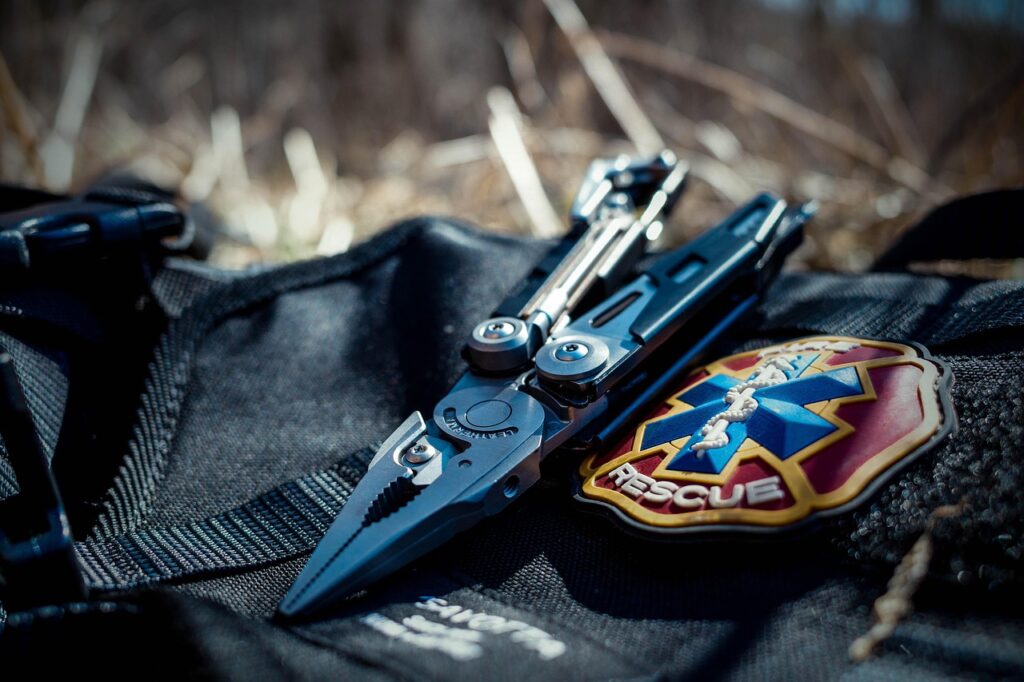
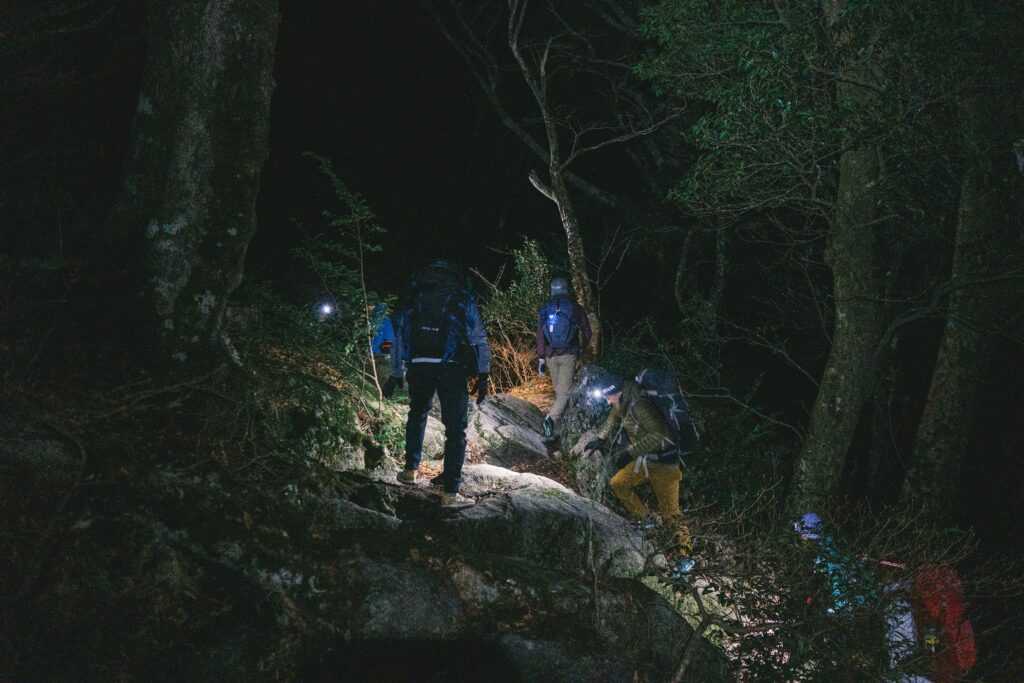
Headlamps should be non negotiable. You want one with at least 200 lumens, but more isn’t overkill especially in rocky, uneven terrain or dense woods. Look for adjustable beams and red light mode. The red glow is less disruptive to night vision and won’t blind your hiking partners every time you look them in the eye. Battery life matters too. A dead light halfway through the trail isn’t just annoying it’s dangerous. Pack spares or go with a rechargeable model that lets you monitor power levels on the go.
Backup lighting is not optional. One extra headlamp or a compact LED clipped to your pack gives you insurance if your primary fails. Your phone flashlight doesn’t count. It’s weak, drains your battery fast, and ties up your only lifeline if you need to call for help. Leave it for maps or emergencies, not night navigation.
Visibility isn’t just about what you can see it’s about being seen. Reflective clothing, ankle and wrist bands, even strips on your pack help others lock eyes on you in low light. Glow in the dark marking tape is dirt cheap and brilliant for marking key camp spots, gear placement, or trail turns. Pro tip: flag your pack and tent with it before nightfall to avoid fumbling for gear or wandering past your base in the dark.
Map and Compass Still Beat GPS (Sometimes)
When you lose signal, batteries die, or your GPS just decides to quit on you, you’re left with the basics: map, compass, and your own sense of direction. That’s not a disadvantage it’s control. Knowing how to use topographic lines, cardinal directions, and a compass bearing can mean the difference between a reroute and a rescue.
First, get comfortable with reading terrain in low visibility. Contour lines on a map aren’t just squiggles they tell you where the land rises, falls, folds, or flattens out. Match land features to your map as you go. Hills, valleys, changes in slope all become your breadcrumbs.
Dead reckoning is your next line of defense. Take a compass bearing, estimate your pace length, and measure distance traveled by counting steps. A simple pace count bead system helps track distance in the dark without needing to see your wristwatch or GPS.
None of this is flashy, but it works. Practice during daytime. Trust it at night.
More on smart navigation habits in this related guide: Common Mistakes in Wilderness Navigation and How to Avoid Them
Night Specific Navigation Tactics
Navigating in the dark isn’t just a daytime skill with a headlamp strapped to it it demands a different kind of attention. When the trail disappears under shadow, natural landmarks become lifelines. Ridgelines, stream beds, tree breaks these are fixed features you can trace even when the path isn’t visible. Keep scanning for them. If you’ve got a mental map, use it.
And don’t just rely on your eyes. Sound and smell can be surprisingly helpful when visibility drops. Flowing water can guide you toward a known stream. Pine, smoke, or the scent of damp earth sometimes tells you more about where you are than your compass.
Your headlamp is a tool, not a spotlight. Use a slow, sweeping motion when scanning ahead. This helps you catch eye shine, reflective gear, path outlines, and trail markers. Don’t flick it around too fast you’ll miss the quiet details that matter.
Lastly, turn around. Often. Trails can look entirely different on the way back, especially in low light. Regular backtracking checks help you lock in what your return path actually looks like. Nothing is more frustrating or risky than realizing your way back is vague at best.
Move steady, stay alert, and don’t rely on a single sense or tool.
Staying Mentally Sharp
Night navigation is as much a mental game as a physical one. Fatigue fog creeps in quietly slowed thinking, missed turns, assumptions that feel right but aren’t. After dark, your brain can start filling in gaps with what it expects to see, not what’s actually there. That’s when cognitive bias becomes dangerous.
Stop now and then. Literally. Every so often, pause, take a breath, and scan your surroundings with fresh eyes. These brief check ins can break the autopilot mode and help you notice if you’re veering off course. Don’t rely on your memory of the map trust what’s right in front of you.
Use the “three minute rule”: every few minutes, check your position against a landmark, compass, or known feature. It takes less time than you think, and it’s a whole lot better than backtracking two hours because you missed a fork in the trail. Momentum makes mistakes easy; deliberate pauses are your insurance.
Group Movement Protocol
Moving as a group at night requires a different playbook. First, ditch the idea that everyone should stick shoulder to shoulder. That’s a recipe for chaos and twisted ankles. Instead, set clear lead and sweep roles. Your lead keeps the route steady and predictable. Your sweep watches the rear, makes sure no one lags, and calls out anything missed. In low light, these roles are your backbone.
Communication needs to cut through silence and space. Sound cues like a soft whistle or consistent call out can relay status or changes. Keep them simple and agreed on before the trek. Reflective tagging on packs or jackets helps with visual tracking, especially when someone drops back or shifts laterally off the main path. Avoid blinking lights though; they can mess with night vision.
Pacing is where most night treks go wrong. Someone pushes too fast, someone else tires early, and the group starts stretching too far apart. The rule here is simple: move at the speed of the slowest person. Night isn’t the time to prove anything. Prioritize footing, spacing, and regular check ins over speed. This isn’t a race it’s survival through steady, disciplined movement.
When Not to Push On
There’s brave, and then there’s stupid. Knowing the line between the two can save your life. One of the most important skills in nighttime navigation isn’t moving forward it’s knowing when to stop.
Signs you’re headed into dangerous territory come fast and quiet: terrain that doesn’t match the map, a compass bearing that keeps shifting, or that creeping feeling you’ve passed the same dead log three times. If your gut is turning uncomfortable and your brain feels foggy, it’s probably not just tiredness it’s a warning.
If your group is disoriented, the trail has fully disappeared, or visibility has completely collapsed in fog or low cloud cover, it’s time to halt. Don’t double down on bad guesses. Mark your position visibly and take a moment. Try to reorient. If that doesn’t bring clarity stop moving entirely.
From here it’s about survival, not progress. Find natural shelter if possible, stay warm and dry, and prep to signal at first light. Carry something reflective or flashing. Whistles and radios beat shouting into the dark, every time. Daylight is a better navigator than even the best GPS sometimes the only right move is to wait for it.
Keep Sharpening Your Skills
Night navigation isn’t something you master in theory. You get better by doing. Start by practicing in a familiar, controlled environment your local park, a trail you know well, or even your backyard. The goal isn’t to get lost, but to push your limits in a low risk setting. Use your gear. Test your instincts. Get used to how shadows play tricks on depth and what subtle cues actually stand out in the dark.
After every nighttime trek, debrief. What helped you stay oriented? What slowed you down, confused you, or almost cost you your bearings? Keep a log. Skills improve fast when you reflect honestly and adjust.
Consider this your go to field manual: Nighttime Navigation Tips Every Trekker Should Know. Keep it bookmarked. Because out there, after sunset, experience is everything and there’s always more to learn.

 Ask Valdran Tornhaven how they got into nature trek insights and basics and you'll probably get a longer answer than you expected. The short version: Valdran started doing it, got genuinely hooked, and at some point realized they had accumulated enough hard-won knowledge that it would be a waste not to share it. So they started writing.
What makes Valdran worth reading is that they skips the obvious stuff. Nobody needs another surface-level take on Nature Trek Insights and Basics, Wilderness Navigation Strategies, Outdoor Survival Gear Tips. What readers actually want is the nuance — the part that only becomes clear after you've made a few mistakes and figured out why. That's the territory Valdran operates in. The writing is direct, occasionally blunt, and always built around what's actually true rather than what sounds good in an article. They has little patience for filler, which means they's pieces tend to be denser with real information than the average post on the same subject.
Valdran doesn't write to impress anyone. They writes because they has things to say that they genuinely thinks people should hear. That motivation — basic as it sounds — produces something noticeably different from content written for clicks or word count. Readers pick up on it. The comments on Valdran's work tend to reflect that.
Ask Valdran Tornhaven how they got into nature trek insights and basics and you'll probably get a longer answer than you expected. The short version: Valdran started doing it, got genuinely hooked, and at some point realized they had accumulated enough hard-won knowledge that it would be a waste not to share it. So they started writing.
What makes Valdran worth reading is that they skips the obvious stuff. Nobody needs another surface-level take on Nature Trek Insights and Basics, Wilderness Navigation Strategies, Outdoor Survival Gear Tips. What readers actually want is the nuance — the part that only becomes clear after you've made a few mistakes and figured out why. That's the territory Valdran operates in. The writing is direct, occasionally blunt, and always built around what's actually true rather than what sounds good in an article. They has little patience for filler, which means they's pieces tend to be denser with real information than the average post on the same subject.
Valdran doesn't write to impress anyone. They writes because they has things to say that they genuinely thinks people should hear. That motivation — basic as it sounds — produces something noticeably different from content written for clicks or word count. Readers pick up on it. The comments on Valdran's work tend to reflect that.