
A New Era for Adventure Tourism
National parks are exploding in number. From Namibia to Nepal, governments are carving out larger tracts of wild land and locking them in for preservation. It’s not just for the sake of biodiversity there’s a political and economic play here, too. These parks offer a new kind of capital: some of the last places on earth where the experience feels real.
At the same time, travelers are shifting. They’ve done the all inclusives, the concrete jungles, the filter friendly insta spots. Now they want something raw. Something that smells like pine and dirt and maybe a little sweat. Adventure isn’t a break from routine it’s becoming the goal.
This shift is pushing eco conscious travel to center stage. It’s not a fringe movement anymore. It’s mainstream. People aren’t just looking for green badges or carbon offsets they’re building their trips around conservation stories, trail access, and local impact. Protected lands have become magnets for a new generation of explorers who want their Instagram posts to mean something. And this time, they just might.
What New Parks Bring to the Table
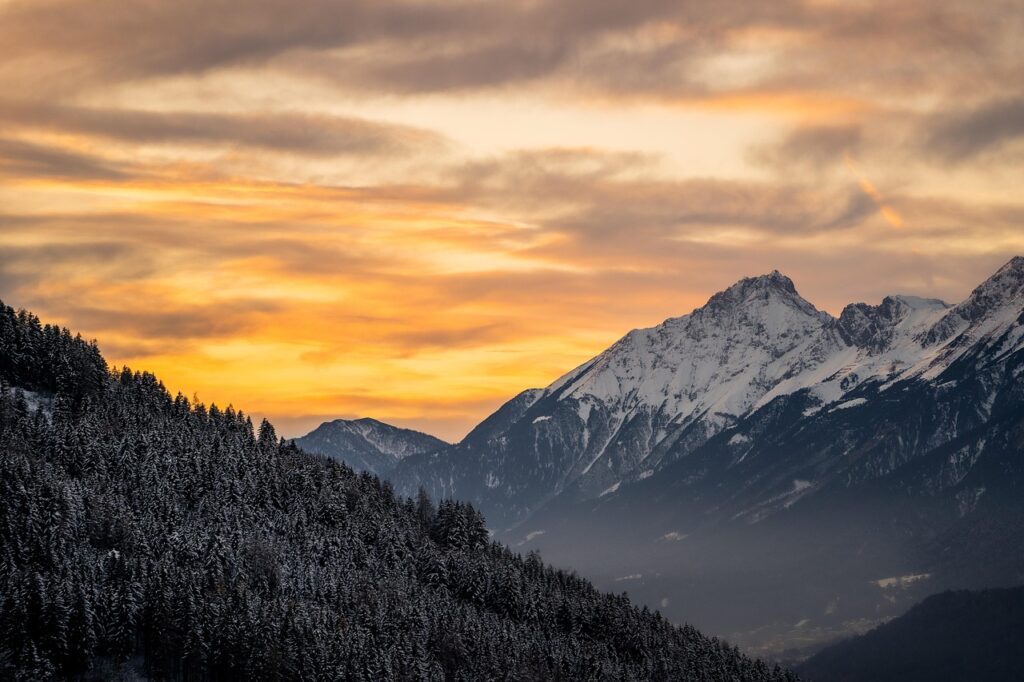
One of the biggest draws of newly designated national parks is simple: uncharted terrain. These areas haven’t been trampled by decades of tourism. That means fresh trails, thriving ecosystems, and the chance to experience nature without dodging tour buses. It’s the kind of raw, slow travel that today’s wanderers are craving.
But it’s not just about personal escape. Local communities are seeing real benefits. As governments invest in sustainable tourism infrastructure think low impact trails, eco lodges, and ranger led programs new jobs are created. Small businesses get a boost. And there’s a growing sense of ownership and pride among residents who are now stewards of globally important ecosystems.
Conservation isn’t just a backdrop either. The model is shifting: with the right balance, visitor spending can directly fund habitat protection, restoration projects, and scientific research. When travelers respect the space, their presence becomes part of the solution not the problem.
The Eco Travel Domino Effect
Travelers aren’t just chasing landscapes they’re chasing values. As national parks increase, so does the appetite for travel that reflects environmental consciousness. Eco certified guides and accommodations are now in high demand, not as a luxury, but as a basic expectation. If a lodge or a tour company hasn’t proven its green credentials, many travelers are moving on.
Booking platforms are catching up. More apps are filtering results based on sustainability, offering nature first itineraries directly in the interface. Algorithms now surface carbon conscious options like solar powered hostels, wildlife safe safaris, or low impact transit routes. Nature isn’t just a backdrop it’s the itinerary.
Meanwhile, tourists want more skin in the game. Citizen science programs like tagging migratory birds or logging plant populations are pulling people off passive paths and into real conservation work. It’s become a two way experience: tourists contribute to research, while destinations deepen their conservation efforts. The line between traveler and steward is blurring fast.
Key Locations Leading the Change

Patagonia continues to lead from the front. Following a series of aggressive land conservation efforts, the region now boasts some of the largest protected park systems in the world. Argentina and Chile have both expanded national borders to support not just tourism, but biodiversity corridors that stretch uninterrupted for miles. Hikers, wildlife photographers, and documentary style vloggers are flocking to these raw landscapes not just for the views, but for the story of ecological comeback.
Meanwhile, Africa is quietly building one of the most ambitious conservation networks on the planet. Transboundary parks those that extend across multiple countries are creating vast, seamless wild spaces. Think the Kavango Zambezi Transfrontier Conservation Area, linking Angola, Botswana, Namibia, Zambia, and Zimbabwe. For travelers, it means multi country wildlife treks with real time views of large mammal migrations and fragile ecosystems holding the line against poaching and overdevelopment.
In Eastern Europe, the wild is still, in large part, undiscovered. Countries like Romania, Slovakia, and Ukraine are leaning into their forested mountains and remote meadows, opening them up through new park designations and sustainable tourism infrastructure. It’s not overcrowded. It’s not overly marketed. That’s precisely the draw. Vloggers and adventure seekers looking for untapped terrain are beginning to carve out a new narrative here one with space, mystery, and less noise.
From the Andes to the Carpathians, national parks are no longer just backdrops. They’re the destination. And they’re shaping where the story goes next.
Tied to Climate Awareness
More travelers are asking a simple but powerful question: what’s the environmental story behind where I’m going? In 2024, destinations rich in biodiversity and known for preservation are rising to the top of the list. It’s not just about Instagrammable landscapes anymore people want places with purpose. Whether it’s sighting a reintroduced species or staying in a rewilded forest lodge, experiences that tie directly to conservation efforts are pulling serious interest.
New national parks aren’t just tourist attractions they’re being framed as part of the climate solution. Countries are designating protected lands not just for scenery but to serve as climate refuges: ecosystems that can adapt and shield biodiversity as global conditions shift. This isn’t just political spin it’s part of a long term survival strategy for both wildlife and humans.
And the impacts of climate change on nature travel are tangible. Migration patterns are shifting. Birdwatchers are tracking arrivals that now come weeks early. Hikers on familiar trails are spotting entirely different flora. Travelers are tuning into these changes, and platforms are responding with data rich experiences. For a closer look, check out this deep dive into wildlife trail trends, where climate science meets boots on the ground travel.
How It’s Changing Traveller Behavior
Travelers in 2024 aren’t just booking flights they’re charting multi week itineraries built around national park access and trail availability. Planning cycles are running longer, with many adventurers locking in permits, off grid lodging, and guided routes months in advance. The spontaneity of quick city breaks is giving way to something slower, more deliberate, and grounded in the outdoors.
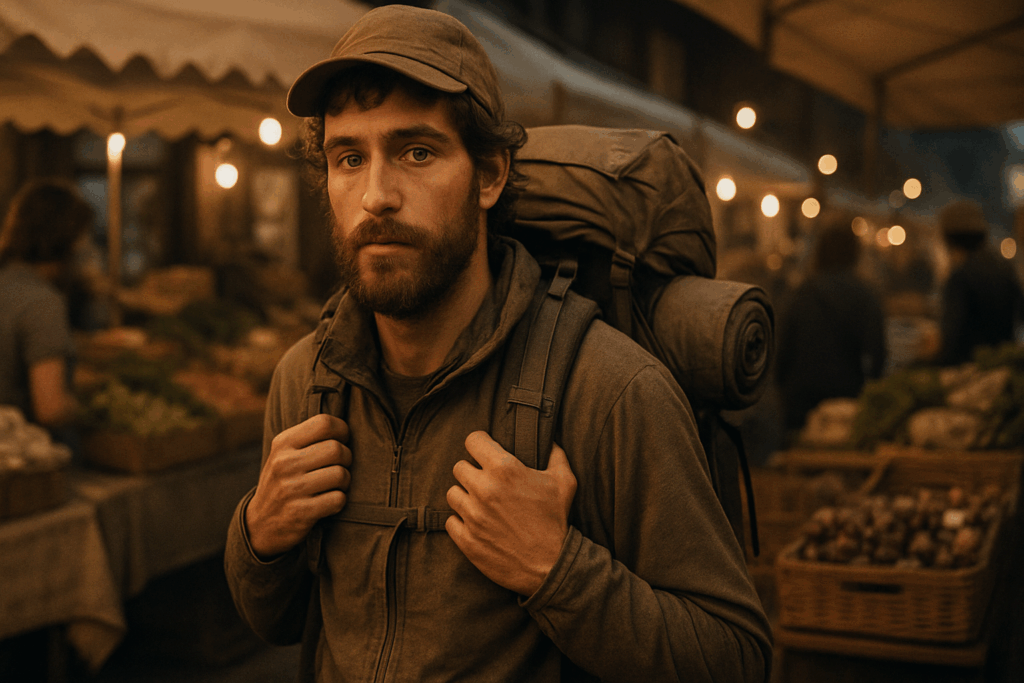
This shift isn’t just logistical it’s cultural. There’s a growing disinterest in urban tourism frills. Instead, people are investing in gear, training, and time. Hiking boots and water filters over bar tabs and skyline selfies. That gear first mindset is fueling a new kind of tourism longer stays, deeper exploration, and a willingness to unplug.
Digital platforms are playing catch up. Vlogs, gear reviews, trail walkthroughs, and conservation tips are thriving on YouTube, TikTok, and independent blogs. Creators aren’t just documenting pretty views they’re helping build a shared library of wilderness knowledge. In forums, comment sections, and shared GPS files, a decentralized but deeply connected community is shaping where and how people explore the planet.
Everything from campsite reservations to trail conditions is becoming part of a running conversation. And it’s changing not only how we travel, but how we think about adventure itself. Less ego, more ecology. Less rush, more rhythm.
Looking Ahead
New national parks aren’t just places to hike or camp they’re fast becoming sites for cultural reset. As governments and conservation groups move to protect more land, there’s growing recognition that these spaces aren’t blank canvases. They’re rooted in heritage, history, and lived experience. In 2024, expect to see more parks positioned as platforms for cultural exchange.
Indigenous communities are no longer being sidelined. Their knowledge systems are being brought in from day one shaping how parks are designed, who tells the story, and what visitors take away. Scientists are stepping out of labs, meeting travelers on guided ecological treks. Visitors, in turn, aren’t just hiking anymore they’re listening, participating, and contributing.
This shift will keep reshaping how we connect with nature. Travel isn’t only about the view it’s about values, perspectives, and relationships. More parks will mean more shared stewardship, more plural narratives, and a wider lens on what adventure actually means.
Don’t miss what new wildlife trail trends are revealing. Read more.

 Mark Rosarionoberosa has opinions about horizon headlines. Informed ones, backed by real experience — but opinions nonetheless, and they doesn't try to disguise them as neutral observation. They thinks a lot of what gets written about Horizon Headlines, Nature Trek Insights and Basics, Yiganlawi Terrain Expedition Guides is either too cautious to be useful or too confident to be credible, and they's work tends to sit deliberately in the space between those two failure modes.
Reading Mark's pieces, you get the sense of someone who has thought about this stuff seriously and arrived at actual conclusions — not just collected a range of perspectives and declined to pick one. That can be uncomfortable when they lands on something you disagree with. It's also why the writing is worth engaging with. Mark isn't interested in telling people what they want to hear. They is interested in telling them what they actually thinks, with enough reasoning behind it that you can push back if you want to. That kind of intellectual honesty is rarer than it should be.
What Mark is best at is the moment when a familiar topic reveals something unexpected — when the conventional wisdom turns out to be slightly off, or when a small shift in framing changes everything. They finds those moments consistently, which is why they's work tends to generate real discussion rather than just passive agreement.
Mark Rosarionoberosa has opinions about horizon headlines. Informed ones, backed by real experience — but opinions nonetheless, and they doesn't try to disguise them as neutral observation. They thinks a lot of what gets written about Horizon Headlines, Nature Trek Insights and Basics, Yiganlawi Terrain Expedition Guides is either too cautious to be useful or too confident to be credible, and they's work tends to sit deliberately in the space between those two failure modes.
Reading Mark's pieces, you get the sense of someone who has thought about this stuff seriously and arrived at actual conclusions — not just collected a range of perspectives and declined to pick one. That can be uncomfortable when they lands on something you disagree with. It's also why the writing is worth engaging with. Mark isn't interested in telling people what they want to hear. They is interested in telling them what they actually thinks, with enough reasoning behind it that you can push back if you want to. That kind of intellectual honesty is rarer than it should be.
What Mark is best at is the moment when a familiar topic reveals something unexpected — when the conventional wisdom turns out to be slightly off, or when a small shift in framing changes everything. They finds those moments consistently, which is why they's work tends to generate real discussion rather than just passive agreement.