Wildfire Seasons Are Getting Longer
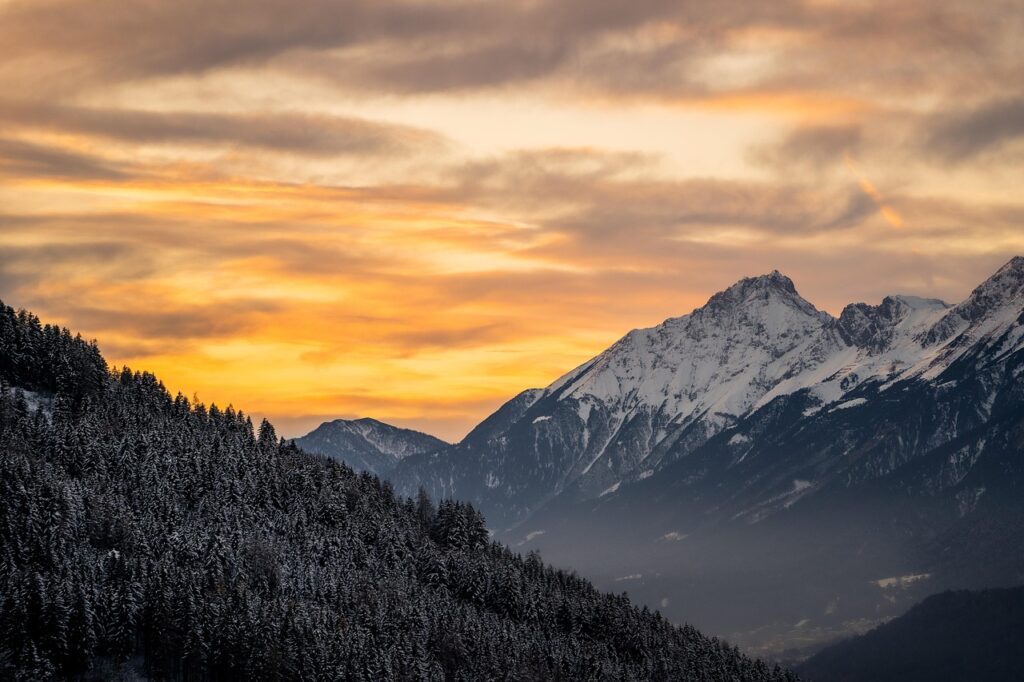
Wildfire season used to be a few tense summer months. Now it’s stretching across spring, summer, and deep into fall. Thanks to rising temperatures, drier soils, and erratic wind patterns, fires are sparking earlier, burning hotter, and traveling faster. From California to British Columbia, what was once predictable is now anything but.
This shift is closing off popular backcountry trails and making permits harder to come by. Forest service access can change overnight, with closures snapped into place the moment fire risk climbs. Outdoor adventurers dependent on fixed dates permits, campsite bookings, long route vanlife plans are hitting a wall of uncertainty.
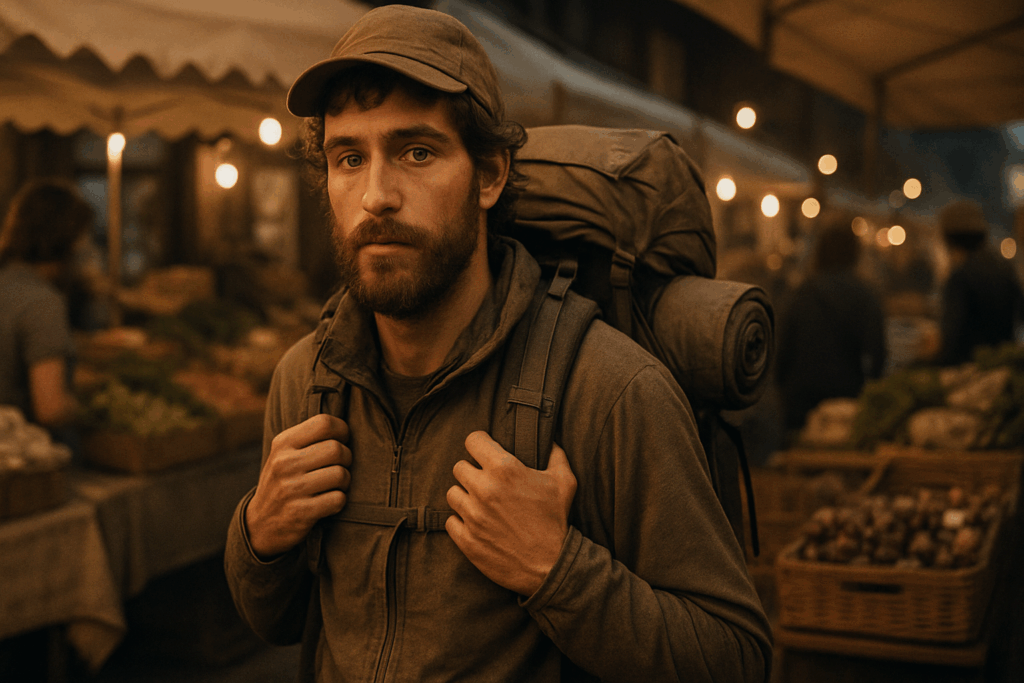
If you’re heading out, you need to stay nimble. Check for local fire restrictions before leaving cell service. Build flexibility into your route. Have a backup plan that doesn’t rely on high risk zones. And remember: when signs say closed due to fire, it’s not a dare it’s a safety issue.
For vloggers and digital nomads who build content around the wild, this means tightening research routines and avoiding the trap of old maps and outdated apps. Climate isn’t just a background factor anymore. It’s in your gear checklist now.
Drought and Water Levels Are Rewriting River Adventures
Out West, water is disappearing faster than the headlines can keep up. Major reservoirs like Lake Powell and Shasta are down to levels not seen in decades. For outdoor enthusiasts, this isn’t just a dry statistic it’s a shift that hits hard. Rafters are facing canceled trips on rivers that no longer run. Anglers are pulling up more lakebed than fish. Water based adventure is drying up, literally.
It doesn’t stop at the shoreline. As water recedes, surrounding trails bake and crack. Some are closed outright to prevent accidents or further damage. Campsites near now shrunken lakes are losing their appeal, and in some cases, their permits. What used to be thriving recreation zones are inching toward ghost town status, especially in drought prone states like Utah, Arizona, and California.
Long term? It’s more than just inconvenience. When rivers shrink and lakes evaporate, entire aquatic ecosystems falter fish populations dwindle, wetland habitats vanish, and invasive species take over. That’s bad news for wildlife, and worse for rural economies that depend on a steady flow of visitors. Fewer fish and floating trips mean fewer dollars in small towns that already walk a financial tightrope.
The big picture: expect less consistency in river adventures until water levels stabilize if they ever do. Smart adventurers will need to watch flow reports like weather, stay flexible, and be ready to pivot. Nature isn’t on pause; it’s rewriting the rules.
National Parks Under Extreme Pressure
America’s national parks are more crowded than ever. Post pandemic wanderlust, social media geotagging, and an uptick in road tripping have all converged to push foot traffic through the roof. Parks like Zion, Yellowstone, and Yosemite are seeing visitor numbers that break previous records and the fragile ecosystems inside their borders are paying the price.
The trouble isn’t just the trampling of trails. Many parks are struggling with shoestring staffing levels, even as the crowds swell. Rangers are stretched thin, waste systems are overloaded, and emergency services are buckling under the pressure. Add on rising wildfire risks and drought, and you’ve got some of the country’s most iconic landscapes walking a tightrope between popularity and collapse.
In response, park management is shifting gears. Timed entry passes, capped daily admissions, and rising conservation fees are becoming the new norm. These systems aren’t about locking people out they’re aimed at protecting what’s left. Until visitor behavior changes, access limits and fee hikes might be the only tools parks have.
To stay informed on these changes, check out the latest environmental news stories.
Wildlife on the Move
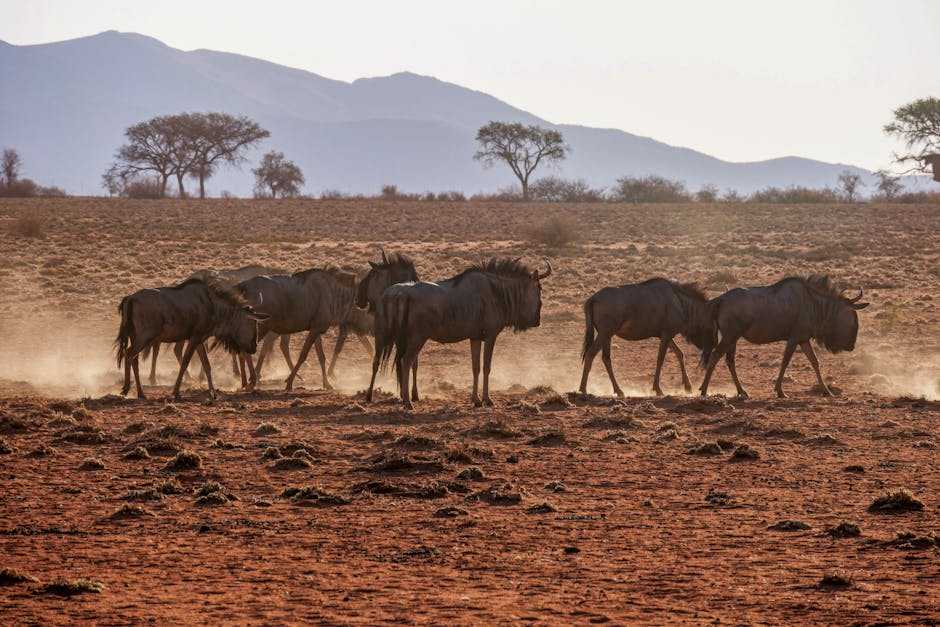
As global temperatures continue to rise, ecosystems are shifting and the wildlife within them is on the move. For outdoor explorers, this means encounters with animals in unfamiliar places are becoming more common.
Shifting Migration Patterns
Many species are adjusting their migration patterns to adapt to new climate realities:
Birds and insects are arriving earlier or later than usual in certain regions
Large mammals, such as elk or bears, are showing up in territories they haven’t historically occupied
Aquatic species are relocating due to changing water temperatures and availability
These movements affect not only the ecosystems but also the human activities that intersect with them.
More Frequent Human Animal Encounters
As wildlife pushes into new areas, hikers, backpackers, and campers are more likely to cross paths with animals:
Trails through elevation zones or near water sources are seeing increased animal activity
Food storage missteps are attracting wildlife to campsites
Animals unfamiliar with human behavior may act unpredictably
Being informed and respectful of these changes is essential what used to be rare sightings may now be common, and safety practices need to evolve accordingly.
Key Rules to Minimize Disruption and Risk
To reduce interference and protect both yourself and the animals you encounter:
Keep your distance: Never approach or attempt to feed wild animals
Use bear safe containers: Proper food storage is critical in shared habitats
Stick to marked trails: Avoid disrupting nesting grounds or feeding areas
Stay informed: Check local wildlife advisories before heading out
The takeaway? You’re a guest in ever shifting wilderness. Observing these changes with care and responsibility helps preserve the future of outdoor adventure for all.
Oceanic Changes Hitting Coastal Recreation
The coasts aren’t looking the same in 2024. For divers heading to Florida or Hawaii, the reality hits hard: coral bleaching is turning vibrant reefs into ghost towns. Heat stressed corals are losing their color and their ability to support marine life. That’s bad news for dive tourism, especially in regions where the reefs are the main draw.
Sport fishing isn’t faring much better. Rising ocean temperatures are throwing off marine ecosystems, pushing fish populations to different depths or waters altogether. Species that were reliable catches in certain seasons are now no shows. The bait, the techniques, and even the locations are shifting, and anglers need to adapt fast.
Then there’s the coast itself. In many states, beach trail erosion is cutting off access to beloved spots. Winter storms hit harder when the water’s warmer, and the sand just doesn’t hold like it used to. For hikers, photographers, and casual beachgoers, the once steady paths are becoming unstable or off limits.
Coastal recreation isn’t disappearing, but it is changing. Fast.
Legislation to Watch
As outdoor enthusiasts increasingly face the effects of a changing planet, policy updates and legal shifts are quietly reshaping where and how we play. In 2024, a wave of new legislation is impacting public lands, conservation funding, and access rights across North America.
New Laws Protecting and Restricting Access
Governments at federal and state levels are enacting laws focused on balancing access with preservation. Adventure seekers need to stay aware of:
Revised permit systems for popular backcountry routes and high traffic national parks
Seasonal closures in sensitive ecological areas
New protected land designations that limit certain recreational activities like off roading or dispersed camping
These changes aim to reduce overcrowding and environmental degradation while ensuring long term sustainability of outdoor destinations.
Conservation Dollars on the Rise
The outdoor industry isn’t just observing environmental change it’s investing in stewardship:
Outdoor brands are committing a percentage of profits to grassroots conservation via initiatives like 1% for the Planet
Public private partnerships are helping fund trail maintenance, habitat restoration, and climate adaptation projects
Grants and sponsorships are fueling local efforts to keep outdoor spaces clean, open, and resilient
For the conscious adventurer, this means more opportunities to support businesses that give back.
Politics in the Wild
Political shifts both regional and national have a direct ripple effect on how land is managed.
Changes in leadership can alter funding priorities for national parks and public lands
Legislative stalls or rollbacks can delay critical climate adaptation strategies
State level initiatives may increase or limit public access depending on political ideology
Staying informed on proposed bills and voting in local elections can have a big impact on the future availability of natural spaces. After all, access to the outdoors is a right worth protecting and that means keeping an eye on the ballot as much as the trailhead.
Tightening the Loop Between Nature and Action
Knowing there’s a problem isn’t the same as doing something about it. Awareness is step one, but it doesn’t repair eroded trails, plant trees, or pull trash from creeks. With wild spaces under more pressure than ever, adventurers can’t stand on the sidelines. Choices made on the trail, in gear purchases, or during trip planning all ripple outward.
Reducing your footprint starts small: pack out more than you pack in, stay on designated trails, avoid single use plastics, and support brands that prioritize low impact manufacturing. But beyond personal habits, real impact happens when action meets community.
Local trail maintenance crews, reforestation nonprofits, and seasonal cleanup efforts need volunteers. Most welcome just a few hours of your time, no experience required. Groups like the American Hiking Society, Leave No Trace Center, or One Tree Planted offer ways to get involved at different levels. Whether it’s shoveling a switchback or donating $20 to protect fragile lands, contribution counts.
For more initiatives making a difference and how to plug in see the full report on environmental news stories.

 Mark Rosarionoberosa has opinions about horizon headlines. Informed ones, backed by real experience — but opinions nonetheless, and they doesn't try to disguise them as neutral observation. They thinks a lot of what gets written about Horizon Headlines, Nature Trek Insights and Basics, Yiganlawi Terrain Expedition Guides is either too cautious to be useful or too confident to be credible, and they's work tends to sit deliberately in the space between those two failure modes.
Reading Mark's pieces, you get the sense of someone who has thought about this stuff seriously and arrived at actual conclusions — not just collected a range of perspectives and declined to pick one. That can be uncomfortable when they lands on something you disagree with. It's also why the writing is worth engaging with. Mark isn't interested in telling people what they want to hear. They is interested in telling them what they actually thinks, with enough reasoning behind it that you can push back if you want to. That kind of intellectual honesty is rarer than it should be.
What Mark is best at is the moment when a familiar topic reveals something unexpected — when the conventional wisdom turns out to be slightly off, or when a small shift in framing changes everything. They finds those moments consistently, which is why they's work tends to generate real discussion rather than just passive agreement.
Mark Rosarionoberosa has opinions about horizon headlines. Informed ones, backed by real experience — but opinions nonetheless, and they doesn't try to disguise them as neutral observation. They thinks a lot of what gets written about Horizon Headlines, Nature Trek Insights and Basics, Yiganlawi Terrain Expedition Guides is either too cautious to be useful or too confident to be credible, and they's work tends to sit deliberately in the space between those two failure modes.
Reading Mark's pieces, you get the sense of someone who has thought about this stuff seriously and arrived at actual conclusions — not just collected a range of perspectives and declined to pick one. That can be uncomfortable when they lands on something you disagree with. It's also why the writing is worth engaging with. Mark isn't interested in telling people what they want to hear. They is interested in telling them what they actually thinks, with enough reasoning behind it that you can push back if you want to. That kind of intellectual honesty is rarer than it should be.
What Mark is best at is the moment when a familiar topic reveals something unexpected — when the conventional wisdom turns out to be slightly off, or when a small shift in framing changes everything. They finds those moments consistently, which is why they's work tends to generate real discussion rather than just passive agreement.