Overreliance on GPS Tech
Trusting your life to a battery powered device in the middle of nowhere? That’s a gamble. GPS gadgets whether standalone or smartphone based fail more than most hikers expect. Batteries die faster in cold environments. Dense canopies and canyons kill signal. One unfortunate drop in a stream, and your entire navigation plan goes offline.
The bigger problem? People have stopped learning how to read a map. Tech has become the crutch. It’s easy to assume your GPS will always work until it doesn’t, and by then, you’re already lost. Even experienced hikers fall into the trap of relying too heavily on screens.
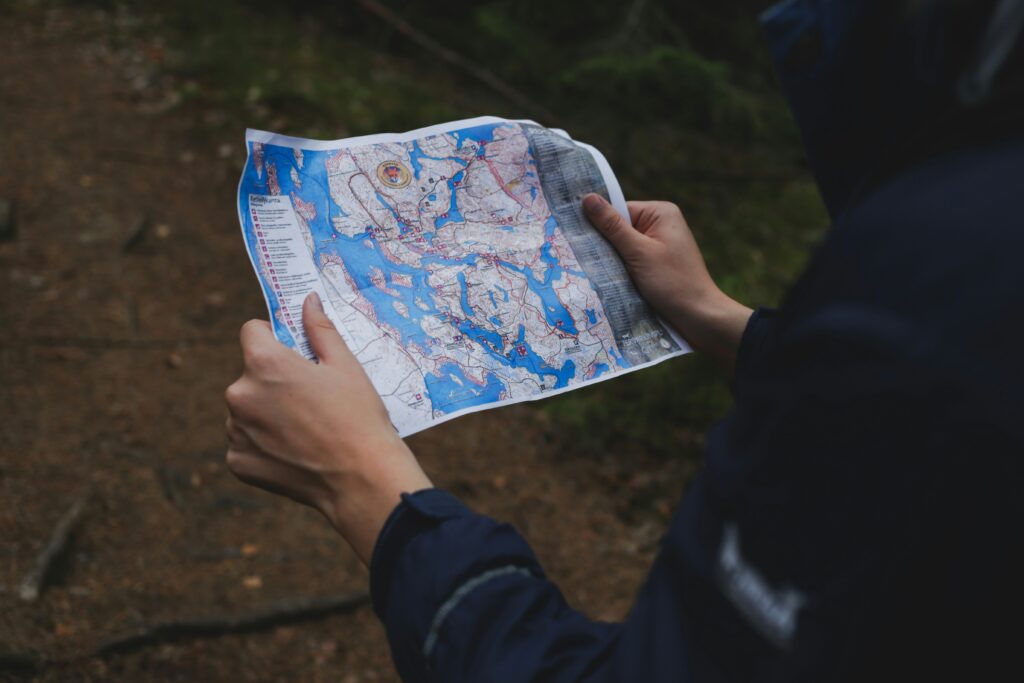
The fix is simple: always carry a paper topo map and a solid compass. And not just as dead weight know how to use them. No matter how advanced your gear is, it means nothing if you can’t tell north from south when it counts.
For those who skipped land nav class, start with the basics. Here’s a solid walk through: How to Use a Compass and Map in Remote Locations.
Poor Route Planning
Wilderness doesn’t care if your plan was just a rough sketch. Trails wash out. Signs go missing. Weather flips. If you’re improvising as you go, you’re gambling in a place that doesn’t offer second chances. Winging it feels adventurous until it leaves you stuck, soaked, or lost.
Solid planning means more than dropping a pin on a map app. Study your route. Learn the topography. Know where elevation gains will drain your legs and where water sources dry up in late summer. Scout out possible exit points in case something goes sideways. Planning this stuff ahead of time isn’t overkill it’s insurance.
And always leave a trip plan with someone who isn’t coming with you. Include where you’re going, your expected return time, and the backup route if Plan A fails. If you go dark and don’t show when you said you would, that information can save your life.
Thoughtful planning isn’t just for expedition pros. It’s the baseline for anyone who wants to explore without making their own rescue necessary.
Misreading Terrain and Landmarks

When you’re deep into a hike, running low on energy and alertness, almost everything starts to blur. Trees blend together. Every ridgeline feels familiar. Rivers look the same around each bend. That’s when mistakes happen usually subtle but serious. It’s easy to misidentify a feature on your map and head in the wrong direction, convinced you’re on track.
This kind of error is one of the most common in wilderness navigation. The landscape doesn’t always give you obvious hints, especially when you’re tired or in low light conditions. Landmarks that seem unique in daylight can become confusing under a gray sky or under pressure.
The fix is simple, but it takes discipline: don’t trust your gut alone. Pause. Pull out your compass and cross check where you think you are with where you’re actually pointed. Bearings don’t lie. Even a basic triangulation can reorient you before things drift too far off course. Get into the habit of confirming your assumptions especially before big moves like descending a valley or crossing a water source.
Ignoring Weather Factors
Weather doesn’t care if you’re prepared or not. Fog, snow, and fast moving storms can erase the horizon in minutes, turning familiar terrain into a maze. Sudden whiteouts don’t just hide the trail they dismantle your sense of direction and distance. Even experienced hikers can lose their bearings when the clouds drop.
Before you head out, check the local forecast. But don’t stop there study the typical weather patterns of the area. Know when fog tends to roll in or which slopes collect afternoon storms. Terrain amplifies risk: open ridgelines and alpine meadows offer little shelter if things turn.
Rain gear isn’t optional, even on a clear morning. Conditions shift quickly, and once you’re wet and cold, judgment slips. Carry an emergency bivy or tarp if your route leaves you exposed. It’s not about fearing the weather it’s about respecting it.
Lack of Situational Awareness
This one sneaks up on people. You’re halfway up a trail, fiddling with your watch settings, trying to grab the perfect shot, or deep in a chat and suddenly the terrain doesn’t look quite right. That’s how disorientation starts: not with a dramatic mistake, but with distractions.
Your brain only tracks so many things at once. Let it fixate on small stuff, and it’ll stop paying attention to the big stuff like where you actually are. Make it a habit to check your position regularly. Trail junction? Landmark? Big elevation shift? That’s your cue.
And here’s the hard truth: if anything feels off even slightly stop. Don’t push on hoping it’ll sort itself out. Pause, pull out the map, breathe, and reorient. One smart stop can save you miles of backtracking later.
Final Note: Skills Beat Gear in 2026
You can download all the apps you want and pack the latest GPS gear, but at the end of the trail, it’s still you versus the landscape. Batteries die. Signals drop. Screens crack. When things go sideways and they do what keeps you alive isn’t your tech, it’s your training.
Wilderness navigation isn’t some elite survivalist badge. It’s baseline knowledge. Knowing how to read a topographic map, take a bearing with a compass, and identify terrain features isn’t old fashioned it’s functional. You don’t need to master everything in one go, but you do need enough to keep yourself safe when tech falls short.
Prep matters. Awareness matters more. Learn the fundamentals and practice them often. Because self reliance doesn’t come from a subscription it comes from skill.

 Ask Valdran Tornhaven how they got into nature trek insights and basics and you'll probably get a longer answer than you expected. The short version: Valdran started doing it, got genuinely hooked, and at some point realized they had accumulated enough hard-won knowledge that it would be a waste not to share it. So they started writing.
What makes Valdran worth reading is that they skips the obvious stuff. Nobody needs another surface-level take on Nature Trek Insights and Basics, Wilderness Navigation Strategies, Outdoor Survival Gear Tips. What readers actually want is the nuance — the part that only becomes clear after you've made a few mistakes and figured out why. That's the territory Valdran operates in. The writing is direct, occasionally blunt, and always built around what's actually true rather than what sounds good in an article. They has little patience for filler, which means they's pieces tend to be denser with real information than the average post on the same subject.
Valdran doesn't write to impress anyone. They writes because they has things to say that they genuinely thinks people should hear. That motivation — basic as it sounds — produces something noticeably different from content written for clicks or word count. Readers pick up on it. The comments on Valdran's work tend to reflect that.
Ask Valdran Tornhaven how they got into nature trek insights and basics and you'll probably get a longer answer than you expected. The short version: Valdran started doing it, got genuinely hooked, and at some point realized they had accumulated enough hard-won knowledge that it would be a waste not to share it. So they started writing.
What makes Valdran worth reading is that they skips the obvious stuff. Nobody needs another surface-level take on Nature Trek Insights and Basics, Wilderness Navigation Strategies, Outdoor Survival Gear Tips. What readers actually want is the nuance — the part that only becomes clear after you've made a few mistakes and figured out why. That's the territory Valdran operates in. The writing is direct, occasionally blunt, and always built around what's actually true rather than what sounds good in an article. They has little patience for filler, which means they's pieces tend to be denser with real information than the average post on the same subject.
Valdran doesn't write to impress anyone. They writes because they has things to say that they genuinely thinks people should hear. That motivation — basic as it sounds — produces something noticeably different from content written for clicks or word count. Readers pick up on it. The comments on Valdran's work tend to reflect that.