
Sawi pahit translates to “bitter mustard greens” in English. You might also know it as Gai Choy or Chinese Mustard.
Bitter, you say? Don’t let that scare you. The unique flavor is what makes it special.
And trust me, it’s easy to manage.
Imagine a bold, peppery flavor that stands up beautifully in stir-fries, soups, and braises. It’s a game-changer.
In this guide, I’ll show you not just what sawi pahit is, but how to choose the best bunch, reduce its bitterness, and cook it perfectly.
Get ready for a culinary exploration into a versatile and healthy vegetable you might have overlooked. Let’s dive in.
Getting to Know Mustard Greens (Gai Choy)
Mustard greens, also known as Chinese Mustard, Indian Mustard, and Gai Choy (or Kai Choi), are often used interchangeably in grocery stores.
These greens have large, broad, crinkled leaves with thick, fleshy stems. They boast a vibrant medium to dark green color.
The flavor profile of mustard greens is sharp, peppery, and distinctly bitter. Think of horseradish or wasabi but in a leafy green form. This pungency comes from compounds called glucosinolates.
Nutrition-wise, mustard greens are a powerhouse. They’re an excellent source of Vitamin K, Vitamin A, and Vitamin C, along with antioxidants.
Compared to more familiar greens like kale or collard greens, mustard greens pack a much more pungent and spicy punch.
In various cuisines, especially in Asian and Southern American cooking, mustard greens play a versatile role. You might find them in stir-fries, soups, or even pickled.
One thing I’ve noticed is that many people assume all greens are the same. But mustard greens, or sawi pahit in English, bring a unique and intense flavor that can elevate any dish.
Give them a try. You might just find a new favorite way to add some zing to your meals.
How to Tame the Bitterness: Simple Prep Techniques
Bitterness is a feature, not a flaw. But hey, if you’re like me and sometimes want to mellow it out, here are some simple techniques.
Blanching is your go-to method. Bring a pot of salted water to a boil, add the chopped greens for 30-60 seconds, then immediately transfer them to an ice bath. This ‘shocks’ the greens and leaches out some of that bitterness. sawi pahit in english
Salting is another great option. Massage coarse salt into the chopped leaves and let them sit for 15-20 minutes. The salt draws out the bitter moisture, which you should rinse off thoroughly before cooking.
Balancing flavors is key. You don’t always have to remove bitterness before cooking. Instead, balance it during cooking by adding ingredients with fat (like pork or oil), sweetness (a pinch of sugar or oyster sauce), or acidity (a splash of vinegar).
Pro tip: Always separate the thick stems from the leaves. The stems need more time to cook, so treat them differently.
Oh, and a little insider knowledge—sawi pahit tends to be less bitter when the leaves are younger and smaller. So, pick those baby greens for a milder taste.
Easy and Delicious Ways to Cook Mustard Greens

Mustard greens, or sawi pahit as they’re known in some parts of the world, are a versatile and flavorful addition to any meal. Let’s dive into some simple and tasty ways to cook them.
First up, try Garlic Stir-Fried Mustard Greens. You’ll need:
– Mustard greens
– Garlic
– Ginger
– Oil
– Soy sauce
– A pinch of sugar
Heat some oil in a pan, add minced garlic and ginger, and stir until fragrant. Toss in the mustard greens and stir-fry for a few minutes. Add soy sauce and a pinch of sugar for a quick and delicious side dish.
You can also add mustard greens to soups. Their peppery flavor adds depth, especially to brothy soups with rich ingredients like pork bones, chicken, or salted duck eggs. Just toss them in during the last few minutes of cooking.
Braising is another great method. Slow-cooking mustard greens in chicken or vegetable broth with mushrooms and a touch of sesame oil softens them beautifully and infuses them with flavor. This is perfect for a comforting, hearty dish.
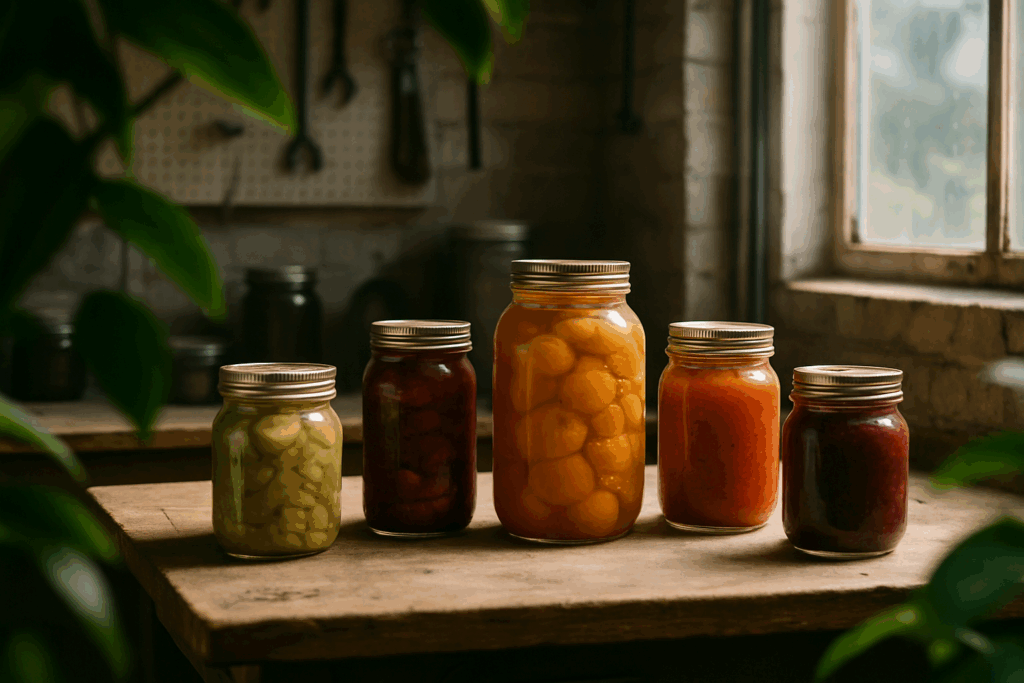
Pickling is popular too, especially in Asian cuisine. Pickled mustard greens, or Zha Cai, are a common condiment that adds a salty, sour, and spicy kick to dishes. It’s a great way to preserve and enjoy the greens year-round.
When it comes to pairing, go for bold flavors. Fermented black beans, chilies, or rich meats can stand up to the intensity of mustard greens. Experiment and find your favorite combinations.
Where to Buy and How to Choose the Best Bunch
When looking for fresh mustard greens, consider visiting Asian supermarkets, international grocery stores, or local farmers’ markets. These places often stock a variety of high-quality sawi pahit in english.
Select bunches with crisp, vibrant green leaves. Avoid any that are yellowing, wilting, or have slimy spots.
The stems should be firm and moist, not dry or woody. A quick snap of a stem piece should be clean and crisp.
For storage, wrap the unwashed greens in a paper towel. Place them in a plastic bag and store in the crisper drawer of the refrigerator. They can last up to a week.

 Mark Rosarionoberosa has opinions about horizon headlines. Informed ones, backed by real experience — but opinions nonetheless, and they doesn't try to disguise them as neutral observation. They thinks a lot of what gets written about Horizon Headlines, Nature Trek Insights and Basics, Yiganlawi Terrain Expedition Guides is either too cautious to be useful or too confident to be credible, and they's work tends to sit deliberately in the space between those two failure modes.
Reading Mark's pieces, you get the sense of someone who has thought about this stuff seriously and arrived at actual conclusions — not just collected a range of perspectives and declined to pick one. That can be uncomfortable when they lands on something you disagree with. It's also why the writing is worth engaging with. Mark isn't interested in telling people what they want to hear. They is interested in telling them what they actually thinks, with enough reasoning behind it that you can push back if you want to. That kind of intellectual honesty is rarer than it should be.
What Mark is best at is the moment when a familiar topic reveals something unexpected — when the conventional wisdom turns out to be slightly off, or when a small shift in framing changes everything. They finds those moments consistently, which is why they's work tends to generate real discussion rather than just passive agreement.
Mark Rosarionoberosa has opinions about horizon headlines. Informed ones, backed by real experience — but opinions nonetheless, and they doesn't try to disguise them as neutral observation. They thinks a lot of what gets written about Horizon Headlines, Nature Trek Insights and Basics, Yiganlawi Terrain Expedition Guides is either too cautious to be useful or too confident to be credible, and they's work tends to sit deliberately in the space between those two failure modes.
Reading Mark's pieces, you get the sense of someone who has thought about this stuff seriously and arrived at actual conclusions — not just collected a range of perspectives and declined to pick one. That can be uncomfortable when they lands on something you disagree with. It's also why the writing is worth engaging with. Mark isn't interested in telling people what they want to hear. They is interested in telling them what they actually thinks, with enough reasoning behind it that you can push back if you want to. That kind of intellectual honesty is rarer than it should be.
What Mark is best at is the moment when a familiar topic reveals something unexpected — when the conventional wisdom turns out to be slightly off, or when a small shift in framing changes everything. They finds those moments consistently, which is why they's work tends to generate real discussion rather than just passive agreement.